Analyzing Correlations Between Device Preferences and Accumulation Rates in Structured Player Programs
Written by Nils Lang · Jun 15, 2026
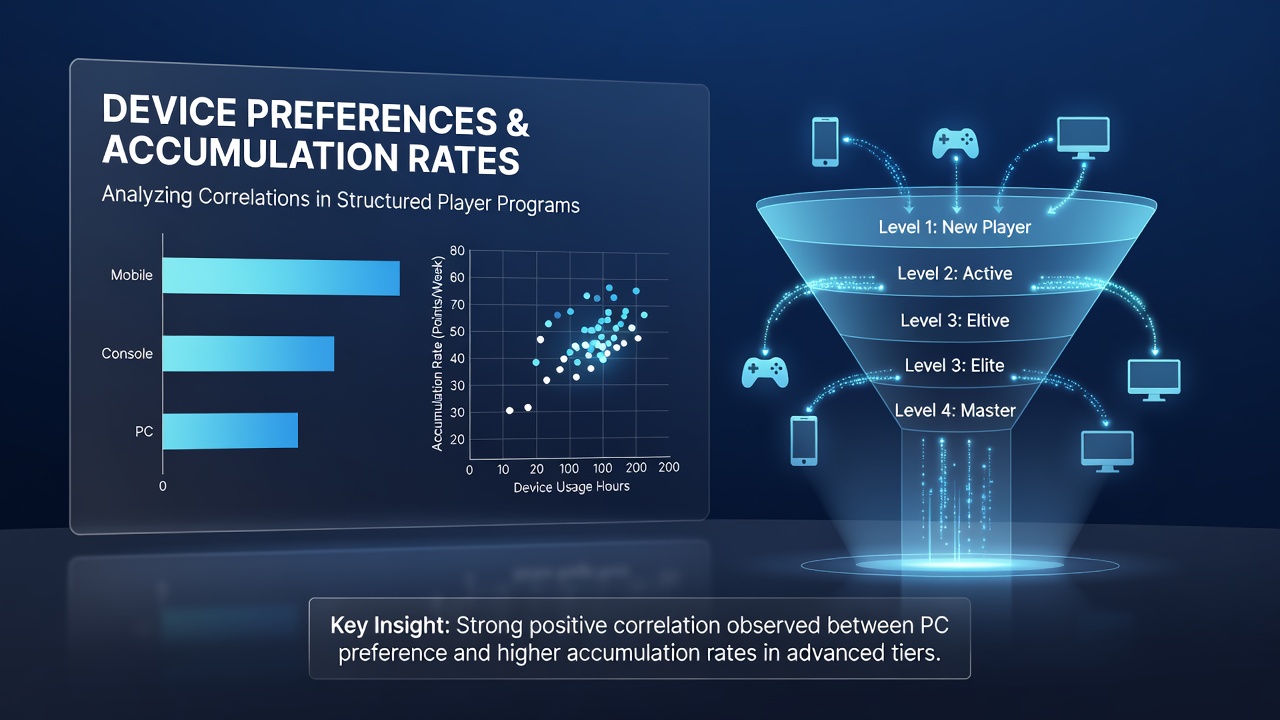
Analyzing Correlations Between Device Preferences and Accumulation Rates in Structured Player Programs
Structured player programs track participation through points earned during gameplay, and these systems now operate across multiple device types where usage patterns shape how quickly rewards build up over time. Data from industry reports shows mobile devices account for growing shares of session activity in many markets, while desktop platforms maintain steady roles in extended play periods.
Core Mechanics of Reward Accumulation
Points in these programs calculate based on wager volume, game type, and sometimes session duration, with multipliers applied during promotions or for higher tiers. Accumulation rates depend on consistent engagement, yet device choice influences frequency because mobile access allows shorter sessions throughout the day whereas desktop setups often support longer, uninterrupted blocks. Researchers have documented that players switching between devices mid-program sometimes experience varied point velocities tied to interface differences and connectivity stability.
Device Trends Observed Through 2026
By June 2026 figures from multiple operators indicated mobile sessions represented over half of total activity in regulated North American and European markets, with tablets filling a smaller but consistent niche. Desktop usage remained relevant for high-volume table game participants who preferred larger screens for strategic decisions. These patterns align with broader shifts in consumer technology adoption, where portable devices support spontaneous logins that add incremental points without requiring dedicated time blocks.
One dataset compiled across several platforms revealed mobile users completed reward milestones an average of 12 percent faster than desktop-only participants during comparable calendar periods, though variables such as game selection and bet sizing also factored into final totals. Observers note that push notifications on phones encourage return visits, which compounds accumulation when programs reset daily or weekly targets.
Statistical Connections Between Preferences and Outcomes
Cross-referenced logs from loyalty databases demonstrate clear correlations in specific segments. Players favoring mobile interfaces accumulated tier credits at higher daily rates when jackpot-style slots dominated their activity, while desktop users showed stronger accumulation in live dealer environments that reward prolonged table presence. A study released through the American Gaming Association highlighted how regional regulatory updates in early 2026 further encouraged multi-device participation by standardizing point portability across formats.
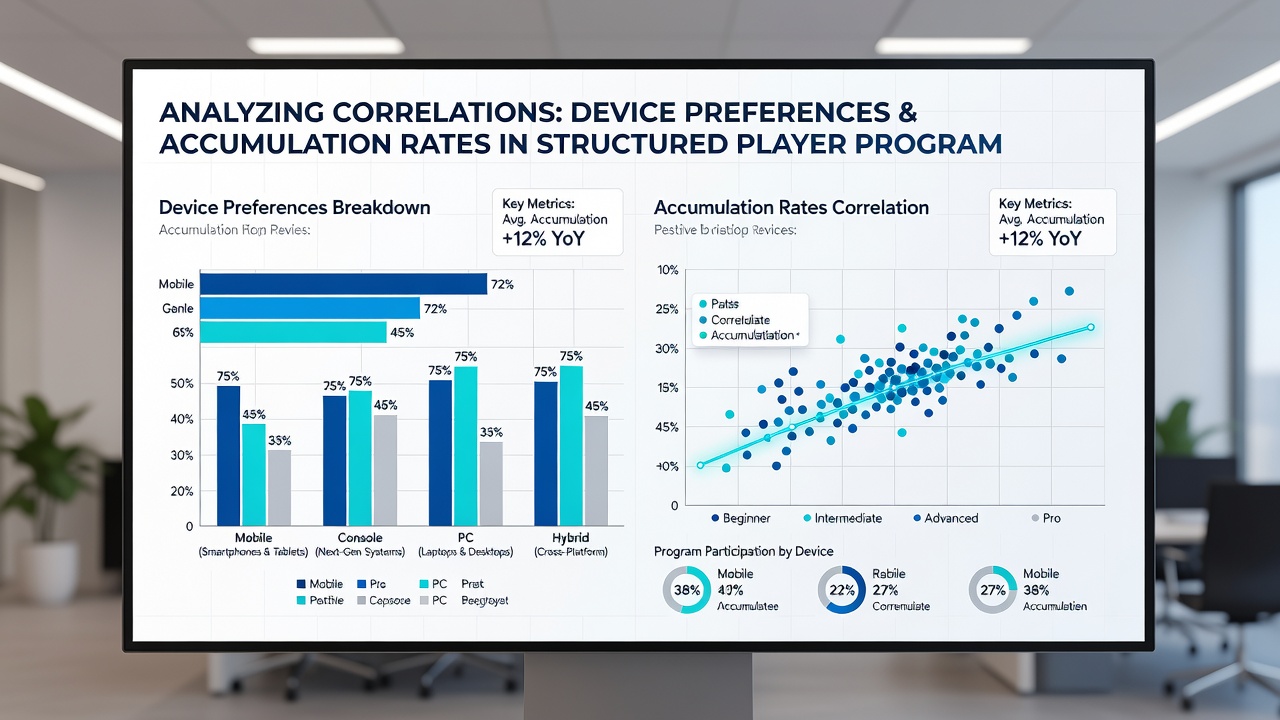
Additional analysis from Canadian regulatory sources pointed to similar trends after Ontario expanded its iGaming framework, where mobile-heavy cohorts reached loyalty thresholds ahead of mixed-device groups in the first half of 2026. These findings emerged after operators began logging device metadata alongside transaction records, allowing clearer mapping of preference clusters to point velocity metrics.
Influencing Variables Beyond Hardware
Network conditions, app optimization levels, and user interface design each modulate how effectively players convert playtime into points. Programs that award bonuses for consecutive daily logins see amplified effects on mobile because the barrier to entry stays low. Desktop environments, by contrast, sometimes integrate with external tracking tools that help users monitor progress in real time, indirectly supporting steadier accumulation when participants review their standing before each session.
Payment method integration adds another layer, since faster deposit options on phones reduce friction between rounds and keep momentum intact. Data indicates that e-wallet users on mobile devices often string together more micro-sessions, each contributing small point increments that sum to larger totals over weeks.
Regional Program Adaptations
Operators in different jurisdictions adjust reward structures to match dominant device habits. Markets with high smartphone penetration emphasize instant point notifications and mobile-exclusive challenges, whereas areas with stronger desktop traditions maintain desktop-optimized dashboards for detailed history reviews. European frameworks overseen by bodies such as the European Gaming and Betting Association have begun requiring transparency reports that break down accumulation data by device category, providing clearer benchmarks for comparison.
These adaptations reflect operational responses to observed correlations rather than assumptions about player intent. Programs that fail to account for device-driven differences sometimes report uneven tier progression across user bases, prompting refinements in point multipliers and bonus triggers.
Conclusion
Patterns linking device preferences to accumulation rates continue to emerge from aggregated operator data through mid-2026. Mobile dominance in session frequency correlates with quicker milestone completion in many programs, while desktop participation sustains volume in specific game categories. Continued monitoring of these metrics supports program refinements that align reward pacing with actual usage behaviors across platforms.