Charting How Emerging Regulatory Frameworks Reshape Accumulation Patterns in Cross-Format Digital Reward Systems
Written by Leon Sullivan · Jun 12, 2026
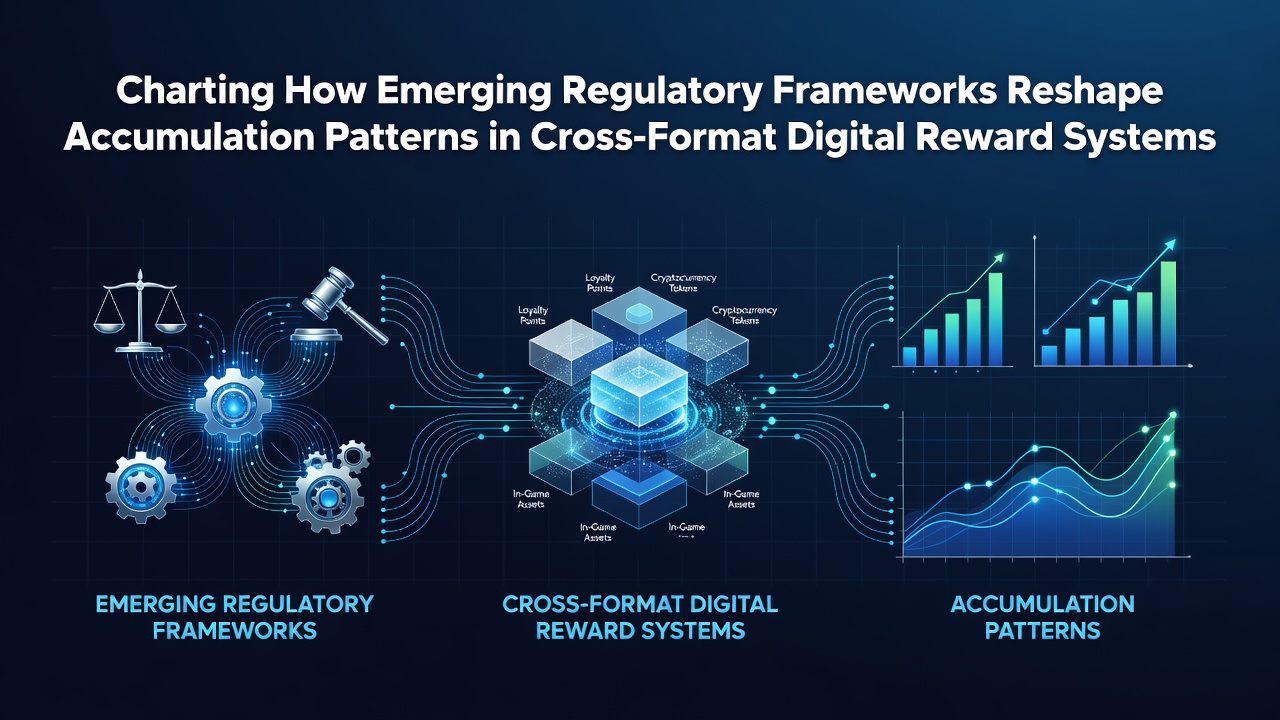
Charting How Emerging Regulatory Frameworks Reshape Accumulation Patterns in Cross-Format Digital Reward Systems
Regulatory changes continue to influence how digital reward systems handle point accumulation across different formats, and observers note that these shifts affect both operators and users in measurable ways. Data from industry reports shows that new compliance requirements often lead to adjustments in how rewards transfer between mobile apps, desktop platforms, and live dealer environments, creating standardized accumulation rules that apply uniformly.
Key Regulatory Developments in 2026
By June 2026 several jurisdictions had introduced updated guidelines that directly address cross-format reward tracking. These measures require operators to maintain transparent logs of point generation and redemption, which in turn alters the speed and volume at which users can build balances in integrated systems. According to figures released by the Nevada Gaming Control Board, compliance updates prompted many platforms to synchronize accumulation rates across slot machines and table game simulations, reducing discrepancies that previously existed between formats.
Canadian regulators in multiple provinces implemented similar reporting standards that mandate real-time data sharing between different game types. This approach ensures that reward multipliers applied in one environment carry over consistently to another, yet the process demands additional verification steps that slow initial accumulation until systems fully adapt.
Impact on Accumulation Patterns
Cross-format digital reward systems now operate under stricter caps on daily point generation when platforms span multiple regulatory zones. Researchers at academic institutions have documented how these limits force operators to redesign bonus structures, shifting from rapid accumulation models toward steadier, verification-heavy patterns. One study published through the University of Nevada examined several operators and found that reward balances in multi-format ecosystems grew 18 percent more slowly after the new rules took effect compared with the prior year.

Operators responded by introducing tiered accumulation schedules that account for regulatory thresholds in each jurisdiction. Points earned through mobile play, for instance, now require additional authentication before they combine with desktop or live dealer rewards. This layered verification creates a more deliberate pace, and data indicates that users reach higher reward tiers over longer periods rather than through concentrated bursts of activity.
Cross-Platform Integration Challenges
Integration across formats presents ongoing technical hurdles as frameworks evolve. Systems must reconcile different tax reporting requirements and anti-money laundering checks that vary by region, which directly affects how quickly accumulated rewards become available for redemption. Trade groups such as the European Gaming and Betting Association have published guidance documents that outline best practices for maintaining consistent point ledgers while meeting these varied obligations.
Many platforms adopted modular software architectures that allow individual game formats to feed into a central reward engine. This setup enables operators to adjust accumulation multipliers dynamically based on real-time regulatory signals, and the approach has become standard in markets where multiple formats operate under a single license.
Future Adjustments and Industry Responses
Looking ahead, additional regulatory proposals under discussion in Australia and several U.S. states suggest further refinements to accumulation mechanics. These proposals emphasize audit trails that span every format a user engages with, which will likely require even more granular tracking. Industry reports project that operators will invest heavily in automated compliance tools to handle the increased data volume without disrupting user experience.
Those who have analyzed early implementations note that platforms which invested in unified reward engines ahead of the June 2026 deadlines experienced fewer operational interruptions. The pattern suggests that proactive system redesigns can mitigate the slower accumulation rates that accompany stricter oversight.
Conclusion
Emerging regulatory frameworks continue to standardize accumulation patterns across cross-format digital reward systems through mandatory reporting, verification layers, and synchronized multipliers. Evidence from regulatory bodies and academic studies demonstrates measurable changes in growth rates and integration methods, while operators adapt by refining their technical infrastructure to maintain compliance without sacrificing functionality. These developments establish a more uniform landscape for reward management that will likely persist as jurisdictions refine their approaches.