How Blockchain Features Are Reshaping Bonus Eligibility Criteria in Mobile-Based Table and Reel Games
Written by Zoe Vogel · Aug 24, 2026

How Blockchain Features Are Reshaping Bonus Eligibility Criteria in Mobile-Based Table and Reel Games
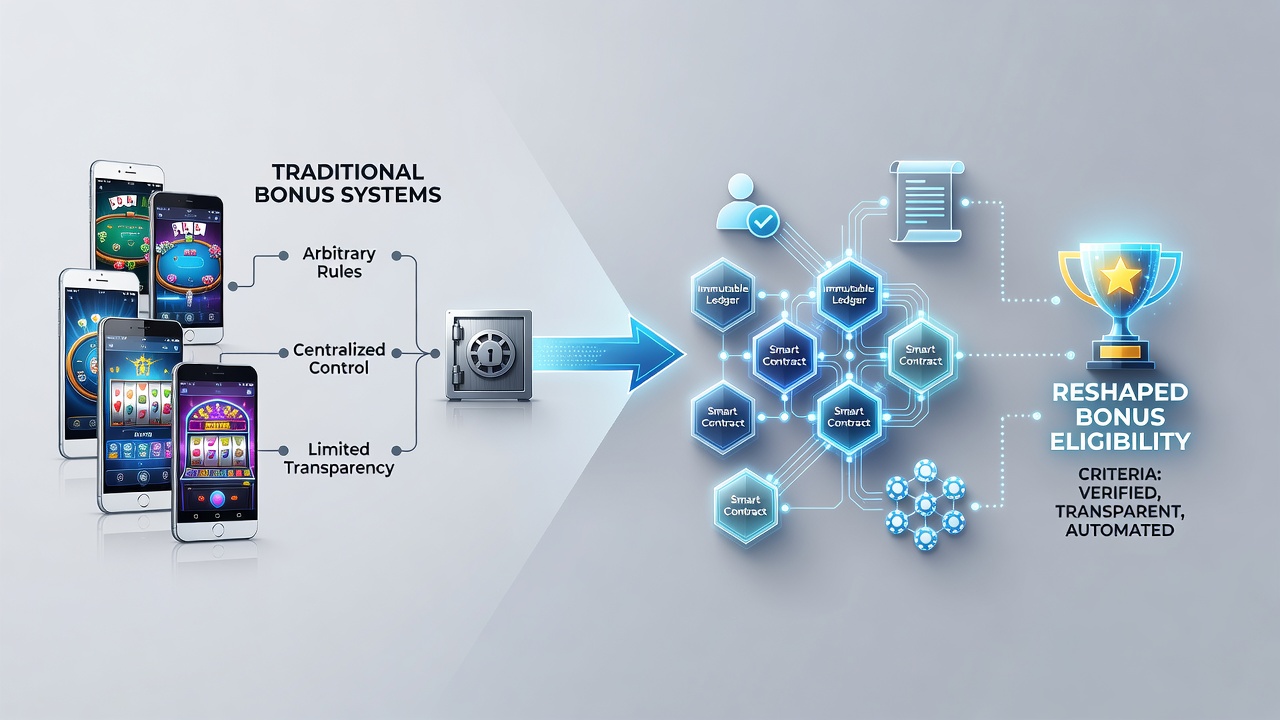
Blockchain technology continues to influence how mobile platforms verify player activity and determine bonus access in table and reel games, with smart contracts handling eligibility checks that once required manual oversight. Operators now rely on distributed ledgers to record wagering progress in real time, creating an immutable trail that confirms whether players meet required thresholds before bonuses activate. This shift gained momentum as more jurisdictions explored digital verification methods throughout 2025 and into mid-2026.
Smart Contracts and Automated Verification
Smart contracts execute predefined rules without third-party intervention, so eligibility criteria update automatically when players complete specified actions on mobile apps. A contract might release bonus funds only after a set number of spins or hands register on the ledger, eliminating disputes over whether requirements were met. Those who track platform updates note that several operators introduced contract-based systems for reel games by early 2026, while table game integrations followed later that summer.
Transparency in Wagering Requirements
Distributed ledgers allow every transaction and game outcome to remain visible to authorized parties, which changes how operators confirm fair play before granting rewards. Players access their own activity records through mobile dashboards connected to the blockchain, removing reliance on operator statements alone. Data from regulatory filings shows increased adoption of these transparent logs across North American and European markets during the first half of 2026.
Cross-Platform Eligibility Tracking
Blockchain records travel with the player across different mobile devices and game formats, so eligibility for bonuses carries over without resetting when someone switches from reel games to table simulations. This continuity matters in markets where operators run multiple brands under one ecosystem. Reports from industry groups indicate that cross-format tracking reduced duplicate bonus claims by measurable percentages in platforms that implemented shared ledgers before August 2026.
Regulatory Developments and Standards
Authorities in several regions began examining blockchain records as acceptable proof of compliance for bonus programs during 2026. The Nevada Gaming Control Board published updated guidelines on digital audit trails that summer, while Canadian regulators explored similar frameworks for portable gaming environments. These changes affect how operators structure eligibility rules, particularly for mobile users who move between live dealer tables and automated reel titles.
Impact on Player Data and Security
Encryption layers within blockchain systems protect personal information while still allowing verification of play history, which operators use to approve or deny bonus access. Mobile apps now pull eligibility data directly from decentralized nodes rather than centralized databases, reducing single points of failure. Research published by the University of Nevada, Las Vegas Center for Gaming Research found that platforms using these methods experienced fewer data discrepancies in reward calculations through the first eight months of 2026.
Future Integration Patterns
Developers continue testing combinations of blockchain features with existing loyalty structures, focusing on real-time updates that reflect every completed wager across mobile sessions. Table game operators in particular have begun linking hand histories to eligibility metrics through ledger entries, while reel game providers emphasize spin counts verified by the same method. Observers tracking these developments expect wider rollout of unified criteria systems by the end of the year.
Conclusion
Blockchain capabilities have altered the mechanics of bonus eligibility in mobile table and reel environments by replacing subjective reviews with automated, transparent processes. Operators and regulators alike now reference ledger data when confirming player compliance, and this approach shows continued expansion across jurisdictions. The patterns established through 2026 suggest further refinements in how eligibility criteria integrate with decentralized records.