How Funding Timelines Shape Access Patterns to Tiered Incentives Across Reel and Card Digital Formats
Written by Zoe Vogel · Jun 22, 2026
How Funding Timelines Shape Access Patterns to Tiered Incentives Across Reel and Card Digital Formats
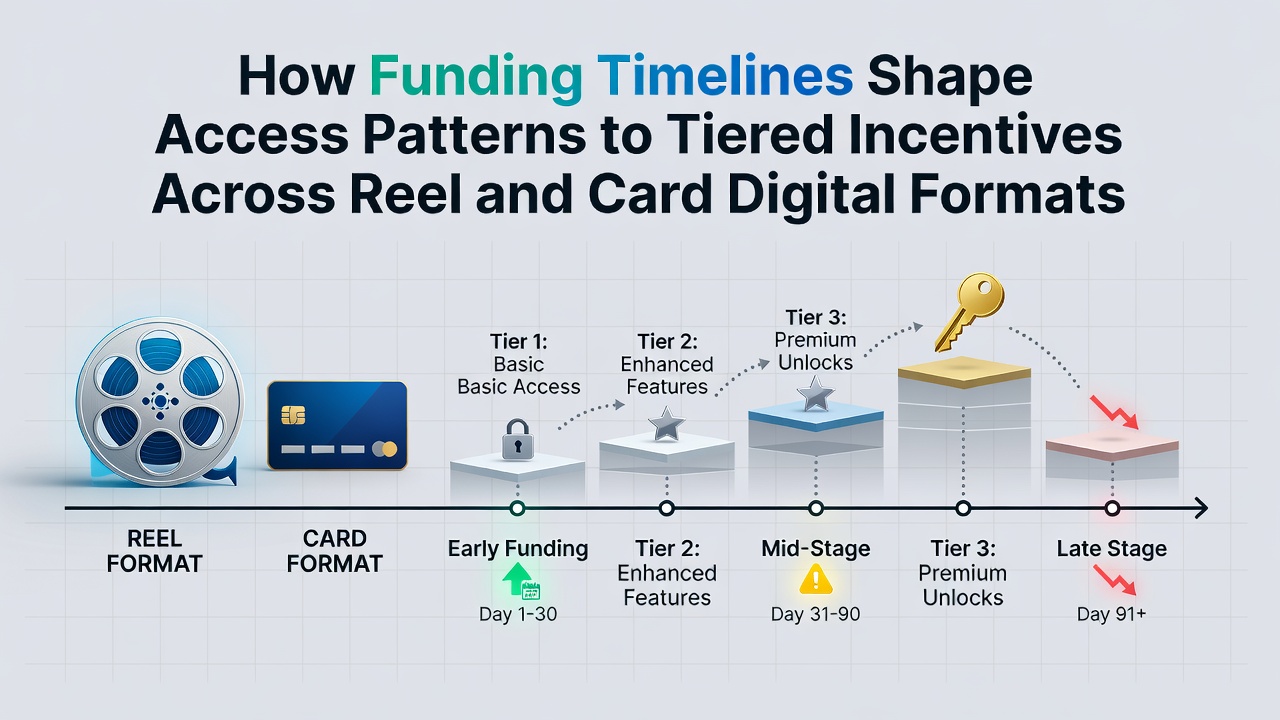
Funding timelines determine when players gain entry to successive reward levels in digital gaming environments that feature reel-based and card-based formats. Deposit schedules, bonus release windows, and wagering completion periods interact with platform rules to create distinct access routes for each format type. Data from multiple jurisdictions shows that these temporal factors produce measurable differences in how quickly participants reach higher incentive tiers.
Deposit Cadences and Initial Tier Entry
Reel formats often tie early tier advancement to rapid deposit sequences because slot mechanics allow quick wagering cycles. Card formats, by contrast, impose longer verification intervals on the same deposit amounts because table game rules require extended play sessions to satisfy contribution thresholds. Observers note that platforms adjust funding release dates accordingly, with reel incentives frequently unlocking within hours of a qualifying deposit while card incentives require days or weeks of documented activity before tier benefits activate.
According to figures released by the New Jersey Division of Gaming Enforcement, average time-to-first-tier in reel environments averaged 3.2 hours during the first half of 2026, whereas card environments recorded 47 hours under comparable funding conditions. These intervals directly influence whether players can access reload bonuses, cashback percentages, or dedicated account managers at each successive level.
Wagering Requirement Windows and Mid-Tier Progression
Tiered structures impose cumulative wagering targets that must be met within defined calendar periods. Reel formats typically set shorter windows because individual spins complete in seconds, allowing players to satisfy requirements through volume rather than duration. Card formats extend those windows because each hand or round consumes more time, which stretches the period needed to accumulate equivalent points or playthrough amounts.
Research from the University of Nevada, Las Vegas International Gaming Institute indicates that 68 percent of reel-format participants reach mid-tier status before the end of the first funding cycle when requirements are set at 15 times the deposit amount. In card formats the same percentage requires two full cycles on average. The divergence stems from how funding timelines align with game speed rather than from differences in player intent.
Cross-Format Transfer Rules and Timeline Friction
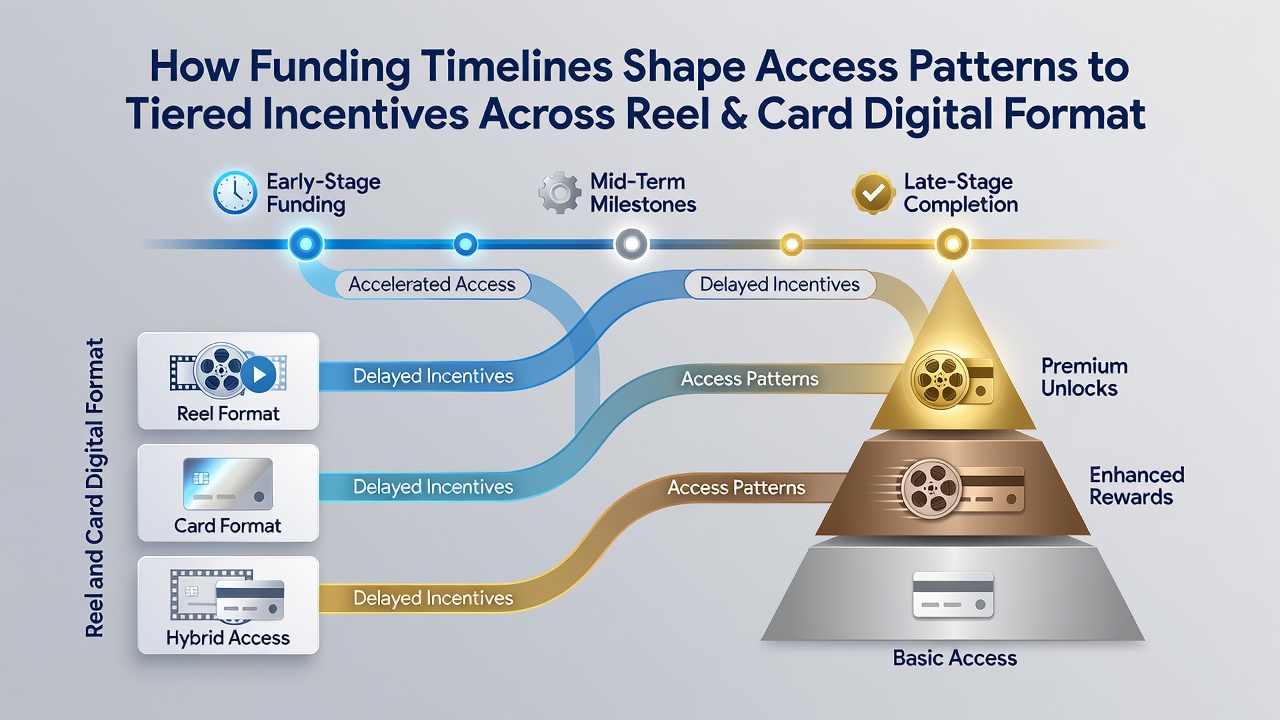
Many platforms permit point transfers between reel and card environments once a player holds status in one format. Transfer eligibility, however, hinges on the date the original funding cleared and the length of the current tier cycle. Reel points often convert immediately upon request, yet card points remain locked until the end of the monthly or quarterly evaluation period. This creates friction for participants who attempt to move value across formats mid-cycle.
Industry reports compiled by the American Gaming Association document that transfer approval rates drop by 22 percent when funding occurred within the final 10 days of a tier period. The pattern holds across both reel-to-card and card-to-reel directions, revealing that the underlying timeline rather than format preference governs access.
Regulatory Adjustments Observed in June 2026
By June 2026 several North American regulators had updated reporting requirements for bonus release schedules. Platforms must now disclose the exact number of days between deposit clearance and tier benefit activation for each format. Early filings reveal that reel environments continue to post shorter intervals while card environments maintain longer ones, yet the gap narrowed slightly after new disclosure rules took effect. Canadian provincial data released the same month showed parallel trends, with reel formats averaging 2.8 hours to first benefit and card formats averaging 41 hours.
Player Segment Responses to Timeline Structures
Segmentation studies separate high-volume reel participants from steady card participants and track how each group responds to staggered funding releases. Reel players demonstrate higher completion rates when incentives unlock within a single day, while card players show elevated retention when benefits accrue across multiple weeks. Platforms that align funding release dates with these segment preferences record higher overall tier advancement numbers without altering the underlying incentive values.
One analysis of transaction logs from a multi-state operator found that aligning reel bonus releases with weekly deposit cycles increased mid-tier attainment by 31 percent, whereas extending card benefit windows to 30-day cycles produced a 27 percent rise in the same metric. The results underscore that timeline calibration, not incentive size, drives access patterns.
Conclusion
Funding timelines function as gatekeepers that determine the speed and sequence of tier access across reel and card digital formats. Deposit clearance dates, wagering windows, and transfer rules create format-specific pathways that regulatory disclosures and academic tracking continue to quantify. As platforms refine these timelines in response to updated reporting standards, the resulting access patterns remain measurable through ongoing data collection from operators and oversight bodies.