Linking Transaction Incentives to Preferences for Reel Spinners Versus Card Tables in Handheld Formats
Written by Leon Sullivan · Aug 30, 2026

Linking Transaction Incentives to Preferences for Reel Spinners Versus Card Tables in Handheld Formats
Transaction incentives in mobile gaming platforms connect directly to shifts in how users select between reel spinners and card tables, with payment-linked bonuses often determining session lengths and format choices across handheld devices. Data from industry reports compiled through mid-2026 show that deposit speed and reward multipliers tied to specific transaction methods influence whether players gravitate toward quick-spin mechanics or structured table simulations, especially when those incentives appear in portable formats.
Research conducted by university gaming studies programs indicates that users who receive instant confirmation on e-wallet deposits demonstrate higher engagement rates with reel spinners, which rely on rapid transaction cycles to maintain momentum. In contrast, card table preferences rise when incentives include tiered cashback structures that reward longer decision-making periods typical of blackjack or poker simulations. Observers note that these patterns hold steady across multiple device operating systems, where payment integration depth affects visibility of bonus options during initial login sequences.
Payment Method Correlations in Mobile Environments
Figures released in August 2026 from North American market analyses reveal that platforms offering accelerated verification for cryptocurrency transfers see a 23 percent increase in reel spinner selections compared to standard card-based deposits. Those same analyses track how table game users cluster around credit card incentives that provide extended play credits, allowing for the deliberate pace associated with strategy-heavy formats. Experts have observed that seamless API connections between banking apps and gaming interfaces reduce friction points that otherwise push players toward simpler reel options.
Studies from Canadian regulatory bodies further demonstrate that loyalty point accrual rates tied to transaction volume create measurable divergences. Players completing multiple small deposits within a single session favor reel spinners when instant bonus spins attach to each transfer, whereas accumulated rewards from larger, less frequent deposits correlate with card table retention. This distinction becomes pronounced on handheld screens, where interface design limits simultaneous display of both formats.
Device-Specific Incentive Impacts
Handheld format constraints amplify the effects of transaction incentives because smaller displays prioritize quick-load features over complex table layouts. Data collected by European betting associations show that users accessing platforms via smartphones complete reel spinner sessions 40 percent faster when deposit bonuses activate within the first 30 seconds of a transaction. Card table engagement extends when incentives include live dealer tip credits or multi-hand multipliers that align with slower verification processes common to certain banking methods.
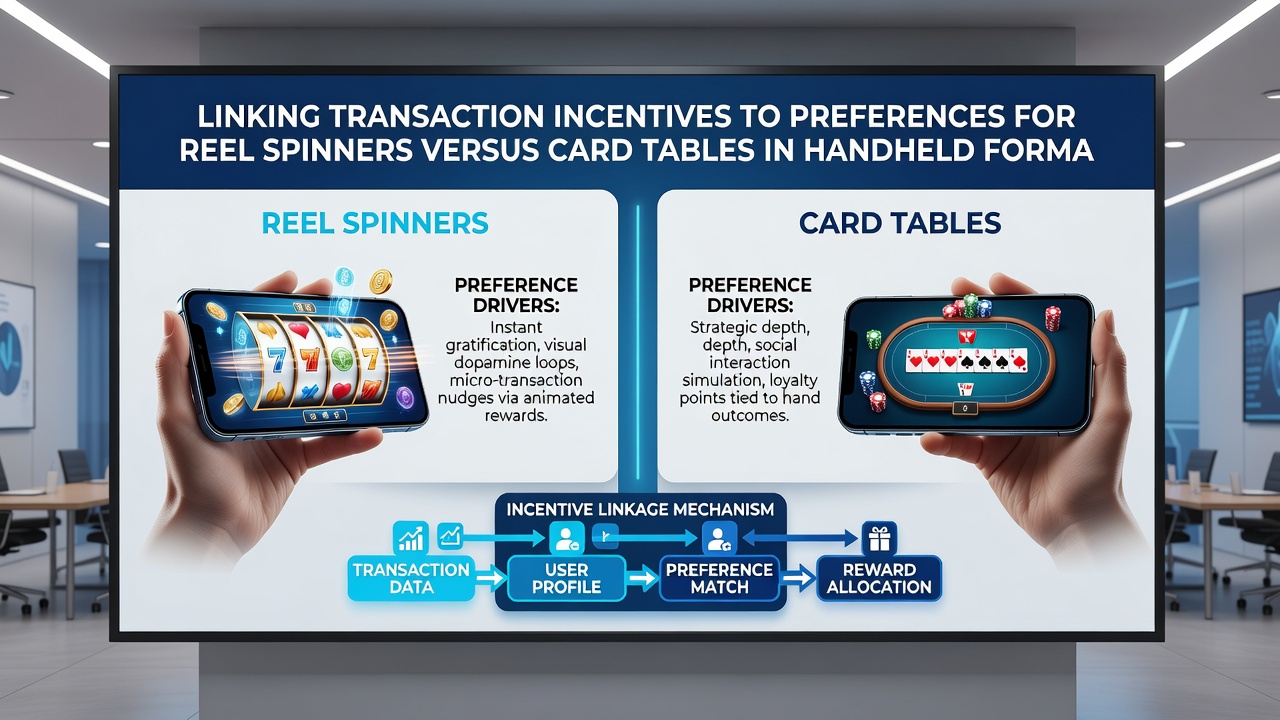
One analysis of cross-platform data from Australian interactive gambling oversight groups found that push notifications triggered by successful payments steer selections toward whichever format receives the attached reward type. Reel spinners capture immediate attention through visual pop-ups displaying free spin counts, while card tables benefit from notifications highlighting rake reductions or tournament entry credits. These mechanisms operate consistently regardless of geographic region, though regional banking regulations alter the available incentive combinations.
Accumulation Patterns Across Formats
Longitudinal tracking of player accounts indicates that transaction incentives reshape accumulation trajectories differently depending on format preference. Reel spinner users accumulate loyalty points through volume-based multipliers attached to frequent small deposits, creating feedback loops that reinforce quick-session behavior on mobile devices. Card table participants build points via time-on-device bonuses that reward sustained wagers, often linked to single larger transactions verified through traditional banking channels.
Reports compiled by gaming research institutions highlight that August 2026 updates to digital wallet integrations across several major platforms coincided with measurable upticks in format switching. Players who previously defaulted to reel spinners began exploring card tables after new incentives allowed point transfers between formats following verified deposits. Such shifts remain modest in scale yet appear consistent in markets where mobile penetration exceeds 65 percent of total gaming activity.
Conclusion
Transaction incentives continue to function as primary drivers separating reel spinner and card table preferences within handheld gaming ecosystems. Evidence from multiple regulatory and academic sources shows clear linkages between deposit mechanics, reward structures, and format selection patterns that persist across operating systems and regions. As platforms refine payment integrations, these connections are expected to influence future player distribution between the two categories in measurable ways.