Mapping Reward Pathways Through Payment Integrations in Handheld Table Simulations and Loyalty Structures
Written by Parker Müller · Jun 3, 2026
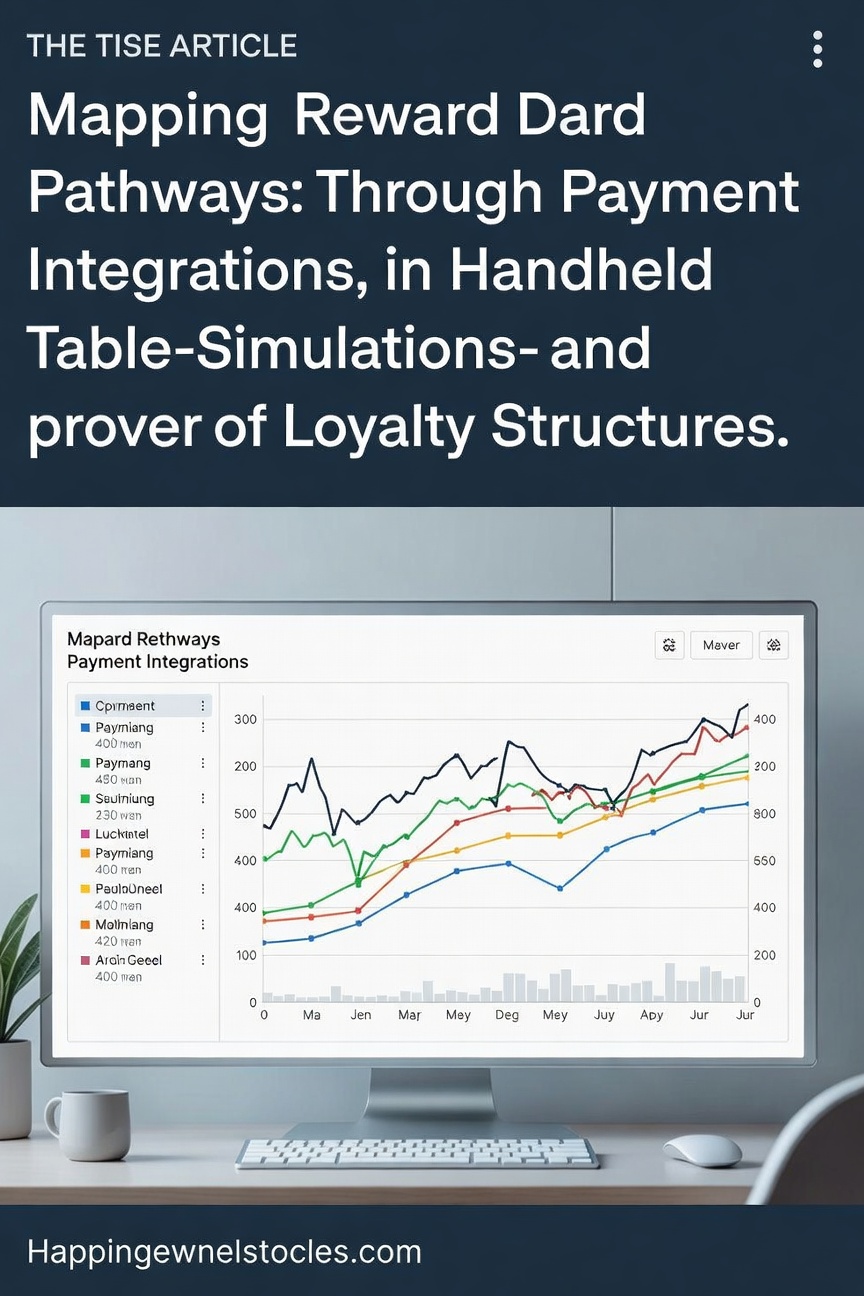
Mapping Reward Pathways Through Payment Integrations in Handheld Table Simulations and Loyalty Structures
Payment integrations in handheld table simulations create structured pathways that connect direct transactions to accumulated loyalty benefits across portable gaming platforms. These systems operate through secure APIs that process deposits and withdrawals while simultaneously logging activity toward tiered reward programs. Observers note that developers design these connections to maintain continuous engagement without interrupting gameplay flow on mobile devices.
Core Mechanics of Payment and Loyalty Linkage
Table simulations on handheld devices rely on real-time payment processors that embed loyalty tracking at the transaction level. When users fund accounts through digital wallets or card services the system records each action and assigns corresponding points based on predefined algorithms. This mapping allows rewards to accrue automatically during live dealer sessions or virtual table rounds while maintaining separation between financial operations and game outcomes.
Researchers have documented how these integrations reduce friction by syncing user profiles across multiple sessions. Data from industry reports shows that platforms utilizing unified payment-loyalty frameworks experience higher retention rates during extended play periods. The process involves encrypted handshakes between banking partners and casino operators that simultaneously validate funds and update loyalty ledgers without requiring separate user inputs.
Technical Architecture Behind Reward Mapping
Modern architectures employ modular code layers that separate payment gateways from loyalty engines yet allow bidirectional data flow. Handheld applications pull transaction metadata such as amount, frequency, and method to calculate reward eligibility in table game environments. This structure supports dynamic adjustments where higher-value payments trigger accelerated point accumulation in specific simulation categories like blackjack or roulette variants.
Studies indicate that API standardization across providers enables seamless scaling when operators expand to new regions. In June 2026 several platforms introduced enhanced tokenization protocols that further secure these pathways while preserving detailed activity logs for loyalty calculations. The result appears in unified dashboards where players track both account balances and progress toward tier benefits within a single interface.
Regional Implementation Patterns and Data Trends
North American operators have adopted payment-loyalty mappings that align with state-specific regulations while Canadian systems emphasize centralized reporting through provincial oversight bodies. European frameworks prioritize consumer protection standards that require transparent disclosure of how transactions convert into loyalty rewards. Industry data reveals consistent patterns where mobile table simulations generate disproportionate loyalty activity compared to other game types because sessions tend to last longer and involve repeated micro-transactions.
According to findings from the American Gaming Association, integrated systems accounted for measurable increases in tracked player engagement across portable devices during early 2026 reporting periods. Similar observations from Australian regulatory analyses highlight how loyalty pathways adapt to local payment preferences without altering core reward mechanics.

Player Journey Through Integrated Systems
Users typically begin with an initial deposit that activates both account funding and immediate loyalty credit assignment. Subsequent table simulation play generates additional data points that feed into tier progression models. Those who study these ecosystems note that reward visibility encourages continued participation because players receive real-time updates on point totals during active sessions.
Payment method selection influences reward velocity in certain programs where specific processors award bonus multipliers. This differentiation creates strategic considerations for users who optimize their transaction choices to accelerate loyalty milestones. Platform analytics track these patterns to refine incentive structures while maintaining compliance with applicable gaming statutes.
Security Protocols and Compliance Integration
Encryption standards and multi-factor authentication sit at the foundation of every payment integration that supports loyalty tracking. These measures protect sensitive financial details while ensuring reward calculations remain accurate and tamper-resistant. Regulatory frameworks in multiple jurisdictions require operators to maintain auditable records that link each transaction to its corresponding loyalty outcome.
Compliance teams utilize automated monitoring tools that flag anomalies in reward pathway activity. Such systems operate continuously across handheld platforms to verify that loyalty benefits align precisely with documented payment histories. This oversight contributes to sustained trust in the overall ecosystem.
Future Developments in Pathway Optimization
Emerging technologies focus on refining data granularity within loyalty mappings to accommodate personalized reward structures. Machine learning models analyze transaction histories alongside table simulation preferences to suggest optimal payment strategies for individual users. These advancements build upon existing architectures without requiring wholesale replacement of current infrastructure.
Global operators continue testing interoperability standards that would allow loyalty points to transfer across different handheld platforms while preserving payment security protocols. Early trials conducted in 2026 demonstrate technical feasibility though widespread adoption remains subject to ongoing regulatory review.
Conclusion
Payment integrations form the backbone of reward pathway systems in handheld table simulations by creating direct connections between financial activity and loyalty progression. These frameworks deliver measurable operational benefits through streamlined data flows and enhanced user visibility. Continued refinement of these mappings supports evolving market demands while maintaining established security and compliance requirements across diverse regulatory environments.