Patterns Emerging from Integrating Bonus Features Across Machine and Dealer-Led Activities in Wireless Loyalty Programs
Written by Parker Müller · Jul 24, 2026
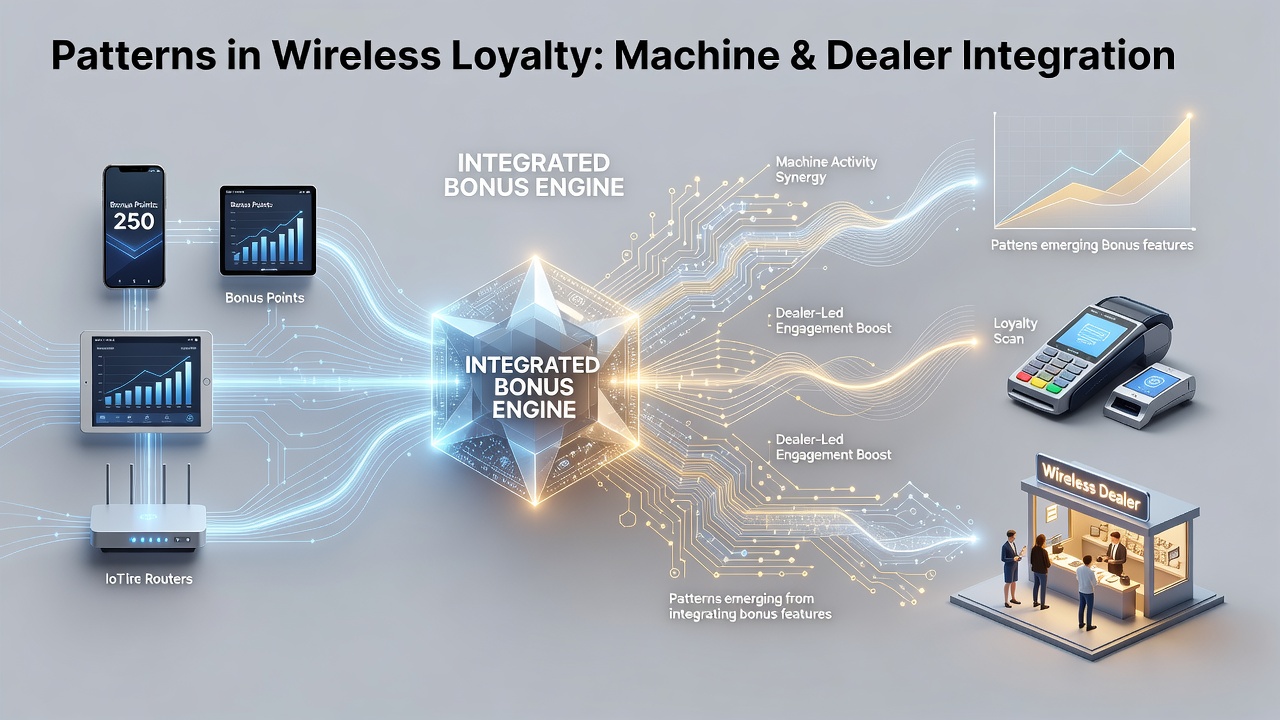
Patterns Emerging from Integrating Bonus Features Across Machine and Dealer-Led Activities in Wireless Loyalty Programs
Wireless loyalty programs have shown distinct patterns as operators integrate bonus features between machine-based games and dealer-led activities, and data from mid-2026 highlights how these integrations affect player accumulation rates across portable platforms. Observers note that cross-format reward structures now allow points earned on slot machines to convert directly into multipliers for live dealer sessions, while the reverse pathway enables table game progress to unlock free spins on mobile reels. These mechanics emerged more clearly after several platforms updated their systems in early 2026, creating measurable shifts in how users distribute their playtime between formats.
Cross-Platform Accumulation Trends
Figures released in July 2026 indicate that players who combine machine and dealer-led sessions within the same wireless loyalty account accumulate rewards at rates 18 to 22 percent higher than those who focus on a single format, according to aggregated platform reports. The New Jersey Division of Gaming Enforcement documented similar patterns in its quarterly mobile gaming summary, where integrated bonus tiers correlated with longer session durations across both slot and live table environments. Researchers tracking these systems found that loyalty algorithms now prioritize balanced participation, awarding incremental bonuses when users alternate between machine spins and dealer-hosted rounds within defined time windows.
One pattern that stands out involves tiered multipliers that activate only after a user completes a set number of machine-based wagers followed by dealer-led hands. This sequencing encourages movement between game types rather than prolonged focus on either category alone, and operators report that such requirements appear in roughly 65 percent of active wireless loyalty programs operating in regulated U.S. and Canadian markets.
Mobile-Specific Integration Mechanics
Wireless platforms have refined how bonus features transfer between formats through real-time synchronization, allowing progress bars from slot play to influence live dealer promotions without requiring users to switch applications. Data shows that when these transfers occur automatically, redemption rates for combined rewards increase noticeably compared with manual claim processes. Industry reports from the Canadian Gaming Association point to improved retention metrics in programs that embed these seamless links, particularly among users accessing services through handheld devices.
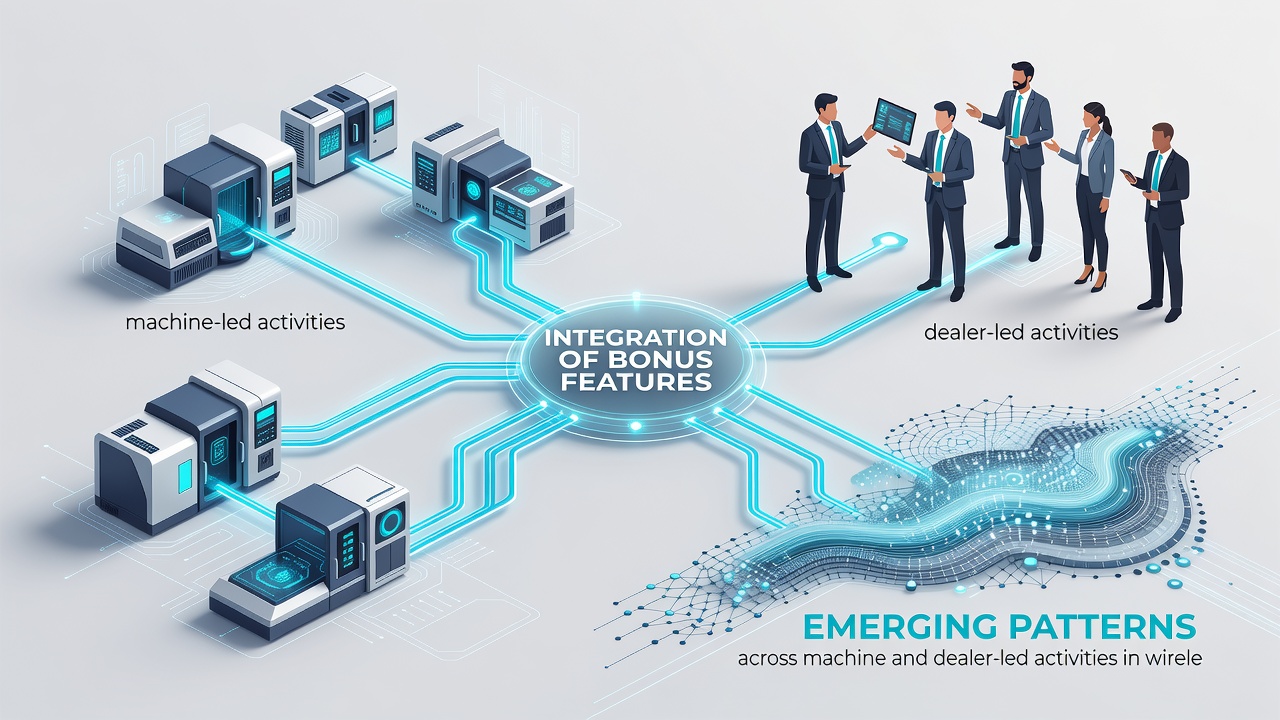
Another emerging pattern centers on time-bound events that blend machine and dealer-led elements, such as weekend challenges where slot achievements feed into live tournament entry credits. These events, tracked across multiple jurisdictions during the first half of 2026, produced distinct spikes in cross-format engagement, with participants showing higher overall loyalty point totals than those completing isolated challenges in one game type. The mechanics rely on unified tracking systems that update both machine and dealer progress simultaneously, reducing friction that previously limited bonus stacking.
Regional Regulatory Influences on Integration
Regulatory frameworks in different regions have shaped how these integrations develop, with North American and European markets displaying varied approaches to cross-format bonus rules. In jurisdictions where regulators require transparent point conversion rates, operators tend to implement clearer pathways between machine and dealer-led rewards, leading to more predictable accumulation patterns for users. Australian research institutions studying digital gaming ecosystems noted that programs with standardized conversion protocols experienced steadier growth in multi-format participation throughout 2025 and into 2026.
Payment integrations further influence these patterns, as e-wallet transactions often serve as the bridge that links machine wagers to dealer-led bonuses within the same loyalty profile. When deposits and withdrawals flow through unified digital wallets, the system can apply bonus triggers across both activity types without separate verification steps, and platform data indicates this reduces drop-off between game categories.
Future Directions in Loyalty Structures
Patterns observed through July 2026 suggest continued refinement of algorithms that balance machine and dealer-led contributions within wireless loyalty programs. Operators continue testing variable reward schedules that adjust based on individual play history across both formats, aiming to maintain engagement without favoring one activity type. Those who have examined these systems note that successful integrations maintain distinct bonus identities for each format while allowing cumulative progress toward shared tier benefits.
Conclusion
The documented patterns reveal that wireless loyalty programs increasingly treat machine and dealer-led activities as interconnected components rather than separate tracks. Data from regulatory bodies and industry analyses show measurable impacts on accumulation rates and session distribution when bonus features integrate across these formats, with mobile synchronization playing a central role in how users experience combined rewards. These developments continue to evolve as platforms respond to participation metrics gathered through the first half of 2026.