Policy Tweaks Reshaping Game Variety in Sanctioned Virtual Betting Venues
Written by Zoe Vogel · Jul 17, 2026
Policy Tweaks Reshaping Game Variety in Sanctioned Virtual Betting Venues
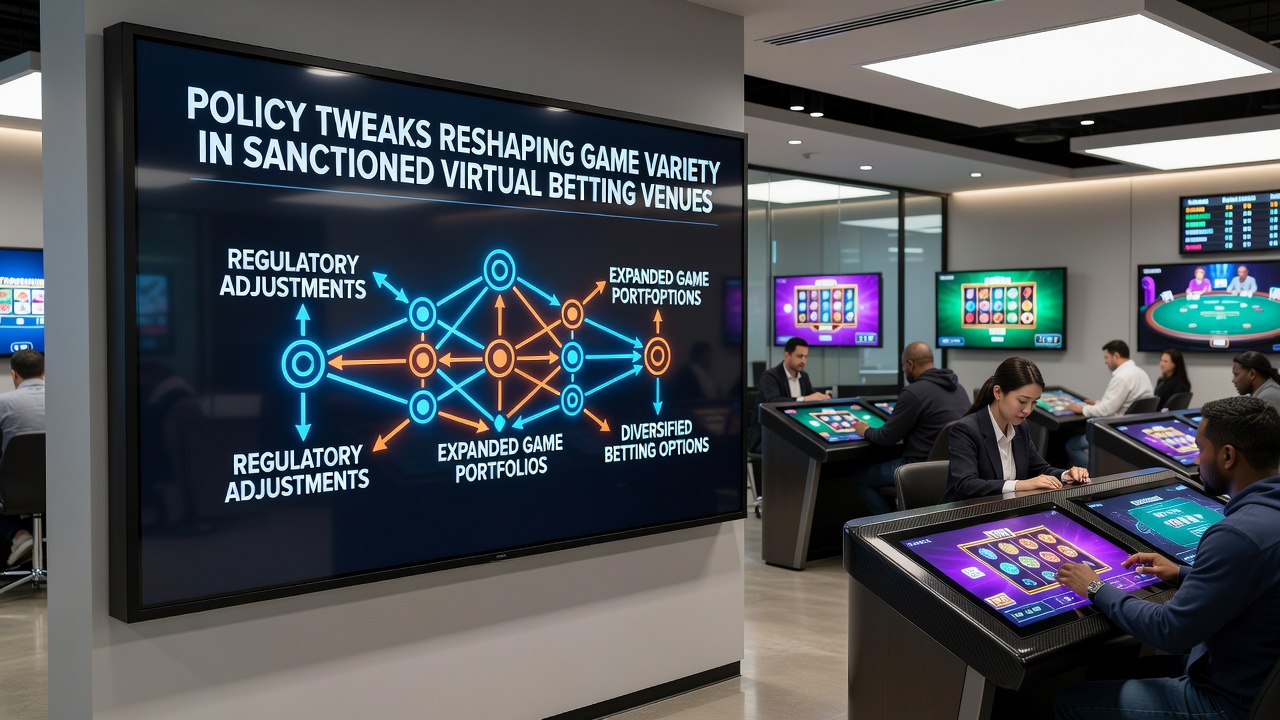
Policy adjustments across multiple regulated jurisdictions have begun altering the selection of games that operators can offer on sanctioned virtual betting platforms, and observers note these shifts stem from updated compliance frameworks rather than broad overhauls. In several markets authorities have refined approval timelines for new titles while introducing stricter criteria around game mechanics, which has prompted providers to diversify their portfolios in response to clearer guidelines.
Streamlined Approval Pathways and Expanded Options
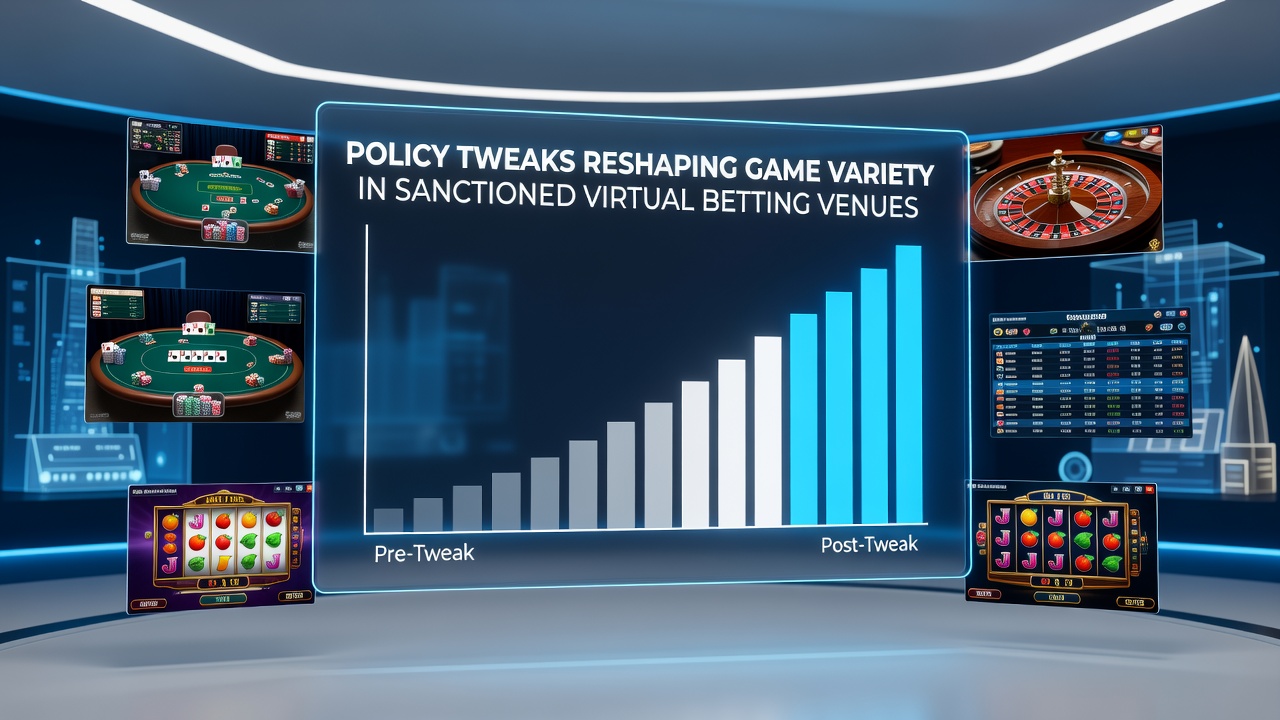
Regulatory bodies have shortened review periods for certain game categories, allowing sanctioned venues to introduce fresh variants more rapidly. Data from the New Jersey Division of Gaming Enforcement indicates that between late 2025 and mid-2026 the average approval window for electronic table game adaptations dropped by several weeks, enabling operators to add regional blackjack hybrids and poker derivatives that previously faced extended scrutiny. Those changes coincide with revised testing protocols that emphasize player protection metrics over exhaustive mechanical audits, so developers have responded by submitting more experimental formats that incorporate skill-based elements alongside traditional chance components.
Researchers tracking these developments point out that the adjustments have encouraged greater experimentation with hybrid formats, where slot mechanics blend with live dealer interfaces in ways that comply with updated fairness standards. Venues operating under these rules now feature wider selections of progressive jackpot networks that span multiple game types, because the policy language now explicitly permits cross-category pooling when operators meet segregation requirements for player funds.
Regional Variations Driving Distinct Catalog Shifts
Differences in implementation appear when comparing North American and European approaches. Several U.S. states have adopted modular certification systems that let platforms activate new game libraries once core RNG modules receive validation, whereas certain European frameworks require separate licensing for each thematic variation. This contrast has led operators active in multiple regions to curate location-specific catalogs that reflect the prevailing tweak patterns.
Figures released by the Australian Communications and Media Authority reveal that sanctioned platforms there expanded their live dealer offerings by roughly eighteen percent in the first half of 2026 after policy clarifications allowed greater flexibility in camera angle configurations and multi-table hosting arrangements. Meanwhile Canadian provinces have focused on mobile compatibility rules that indirectly increase variety by mandating support for additional payment-integrated game modes, resulting in more titles that combine wagering with loyalty progression features.
Impact on Specific Game Categories
Slot inventories have seen the most noticeable expansion because revised volatility disclosure rules now classify certain mechanics as standard rather than novel, removing barriers that once limited release schedules. Providers have therefore rolled out additional reel configurations and bonus round structures that fit within the newly defined parameters without triggering supplemental reviews. Live dealer segments have grown through permissions for augmented reality overlays that enhance table simulations, provided those overlays do not alter core random outcomes.
One case documented by industry analysts shows that a platform licensed in multiple jurisdictions added over forty new titles in the space of three months after aligning its submission process with updated policy checklists. The additions included both high-volatility video slots and low-stakes instant-win games that previously required separate jurisdictional approvals, illustrating how coordinated tweaks can accelerate catalog growth when operators operate across aligned regulatory zones.
July 2026 Implementation Milestones
Beginning in July 2026 several jurisdictions activated phase-two provisions that further refine game variety rules. These include standardized reporting templates for player behavior data tied to specific game types, which allows regulators to monitor diversity metrics in real time. Platforms subject to these provisions have begun adjusting their offerings to maintain balanced portfolios that satisfy emerging benchmarks for genre representation.
Evidence from compliance filings suggests that operators are prioritizing titles with built-in responsible gaming tools, since the new templates reward such integration with faster approval pathways. This has translated into increased availability of games featuring session-limit prompts and customizable stake ranges, categories that gained explicit policy support during the July rollout.
Conclusion
The cumulative effect of these incremental policy adjustments continues to influence game variety across sanctioned virtual betting venues, with each jurisdiction's approach producing measurable differences in available catalogs. Continued monitoring of approval statistics and compliance reports will clarify how these patterns evolve beyond the July 2026 milestones, providing operators and regulators alike with data to assess the long-term outcomes of the current tweak cycle.