Shifting Focus to How Game Mixes Drive Accumulation of Perks in Smartphone-Based Casino Experiences
Written by Parker Schmitt · Aug 17, 2026
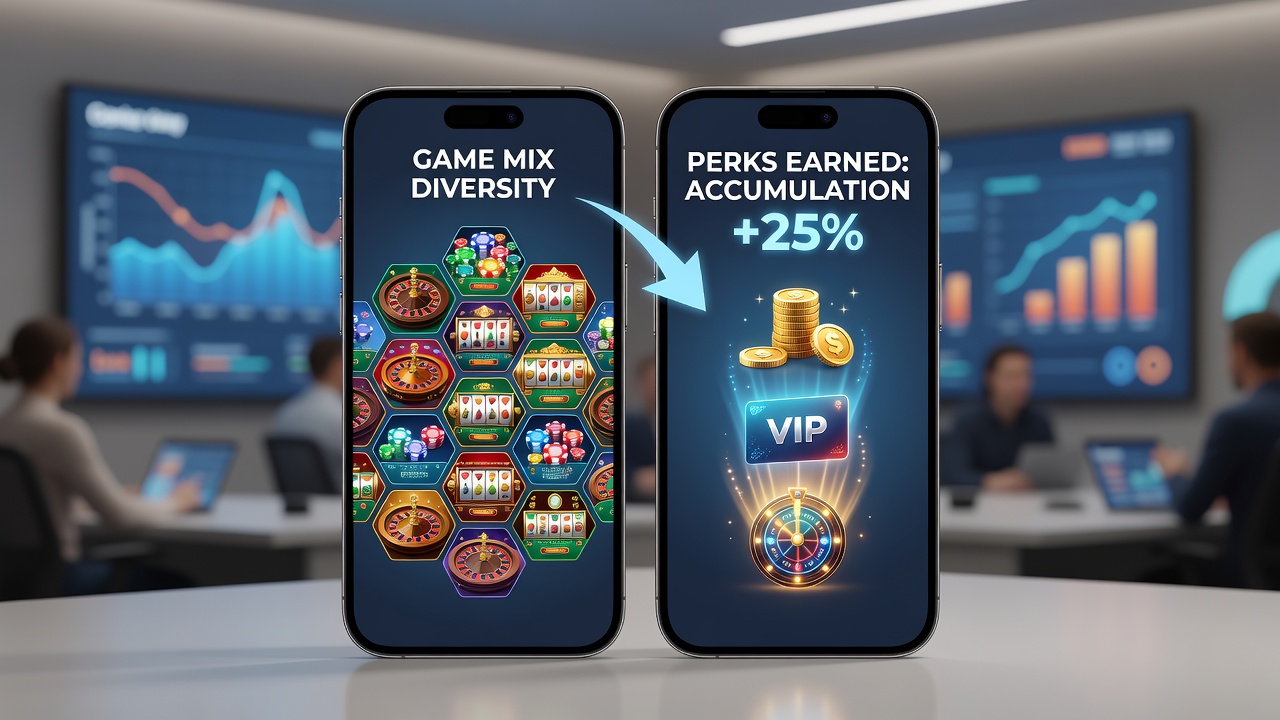
Shifting Focus to How Game Mixes Drive Accumulation of Perks in Smartphone-Based Casino Experiences
Data from industry reports shows that smartphone-based casino platforms now structure player rewards around combinations of game types rather than isolated play sessions, and this approach alters how users collect loyalty points, bonus credits, and tiered status benefits. Mobile operators track participation across slots, table simulations, and live dealer formats to apply multipliers that scale with variety, which encourages longer engagement periods while distributing reward opportunities across multiple mechanics.
Game Mix Patterns and Reward Structures
Operators design mobile applications so that users who rotate between reel-based games, card tables, and video poker variants receive accelerated point accrual compared with those who remain in a single category. Research indicates that platforms apply base rates of one point per dollar wagered on slots yet raise that rate to 1.5 or 2.0 points when the same player also completes wagers on blackjack or roulette within the same session window. These layered calculations appear in user dashboards as progress bars that update in real time and display projected tier advancement based on the current mix percentage.
August 2026 figures released by the New Jersey Division of Gaming Enforcement revealed that mobile sessions averaging three or more distinct game categories generated 28 percent higher loyalty point totals than single-category sessions of equivalent total wager volume. Platform algorithms detect these patterns automatically and apply the adjusted multipliers without requiring users to activate separate promotions, which simplifies the process for players while maintaining internal compliance logs.
Mechanics of Cross-Format Point Accumulation
Smartphone interfaces present game selection screens that highlight current bonus multipliers tied to specific combinations, such as pairing progressive jackpot slots with live baccarat tables. Users who complete daily or weekly challenges that require activity in both machine and table environments unlock additional free spin bundles or cashback percentages that stack on top of standard loyalty earnings. Observers note that these challenges reset on a rolling 24-hour cycle yet retain partial progress when players switch devices mid-session through cloud-synced accounts.
Payment integrations further influence accumulation speed because certain digital wallets trigger instant point deposits when used across game types, whereas slower methods delay crediting until settlement. Industry data compiled by the American Gaming Association shows that 62 percent of mobile loyalty redemptions in the first half of 2026 originated from mixed-format play rather than uniform slot or table activity alone. This distribution holds across both regulated U.S. states and Canadian provincial markets where operators must report aggregate reward statistics to oversight bodies.
Device Preferences and Tier Progression Data
Analytics platforms record that tablet users tend to maintain higher mix ratios than smartphone-only participants, partly because larger screens support simultaneous viewing of multiple game lobbies. Figures reveal that users completing at least 40 percent of weekly wagers on non-slot formats advance to mid-tier VIP status an average of 11 days faster than those whose activity remains slot-dominant. These timelines appear in periodic statements sent to player accounts and factor into personalized offers that adjust based on historical mix behavior.
Academic studies from the University of Nevada Reno gaming research group have examined how reward pathway design affects retention metrics when game variety increases. Their models demonstrate that point accumulation curves steepen once players exceed a threshold of three active game categories within a seven-day period, after which additional categories produce diminishing yet still positive returns. Regulatory filings in Ontario confirm similar patterns following the province-wide rollout of centralized loyalty tracking tools that aggregate data across operators.
Conclusion
Current platform architectures therefore position game mix diversity as a primary driver of perk velocity in smartphone casino environments. Operators continue to refine multiplier tables and challenge structures based on aggregated session data, while regulatory agencies monitor these systems for fairness and transparency. Players who distribute wagers across formats encounter more frequent opportunities to convert accumulated points into usable rewards, and this dynamic shapes engagement patterns observed throughout 2026.