Shifting Player Habit Patterns Through Payment Integration in Portable Hybrid Game Formats
Written by Parker Müller · Jun 29, 2026
Shifting Player Habit Patterns Through Payment Integration in Portable Hybrid Game Formats
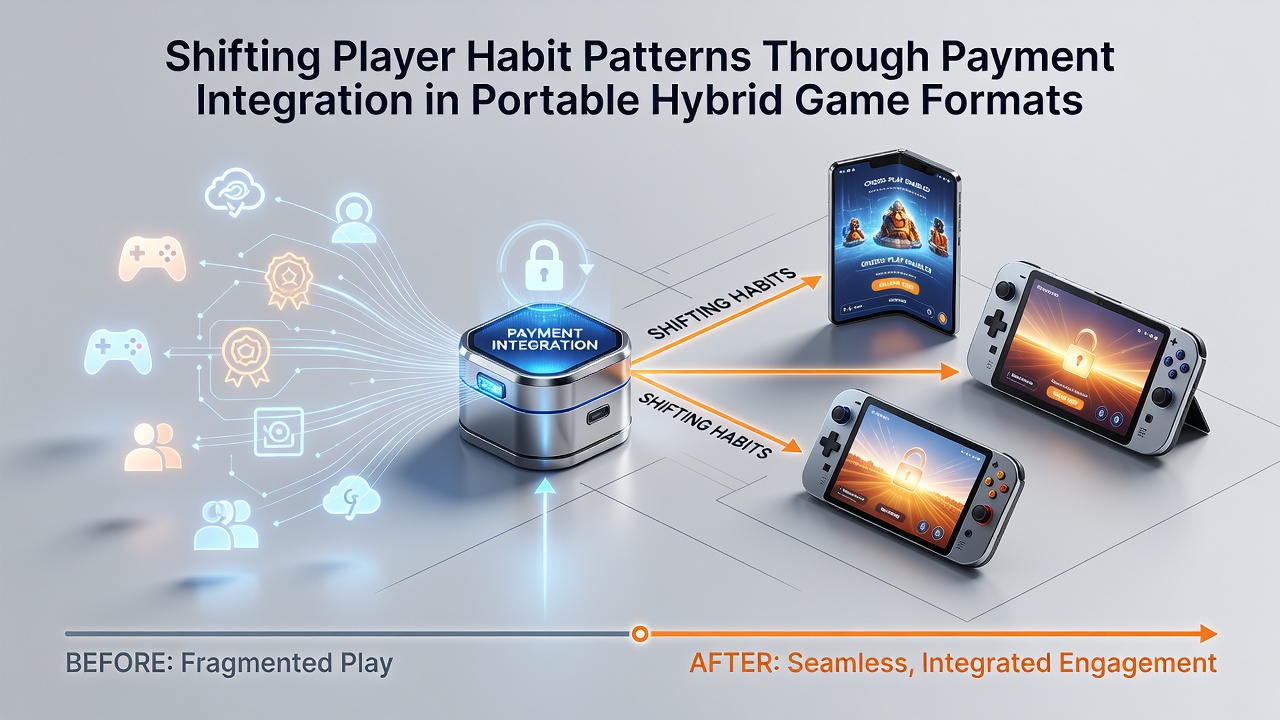
Portable hybrid game formats combine slot mechanics with live dealer table elements on mobile devices, and payment integration has started to reshape how players move between these experiences. Data from multiple markets shows that seamless wallet connections encourage shorter but more frequent sessions, while also prompting users to switch formats within a single play period. Observers note that these shifts appear in both deposit frequency and game selection patterns across handheld platforms.
Payment Features Driving Format Transitions
Hybrid titles allow players to alternate between reel-based rounds and card or wheel simulations without leaving the app, yet payment systems determine how easily funds transfer across those modes. Research indicates that instant deposit triggers tied directly to game interfaces increase the likelihood of users testing multiple formats in one sitting. According to reports compiled by the Nevada Gaming Control Board, mobile transaction volumes in hybrid categories rose notably during the first half of 2026, coinciding with expanded digital wallet support in several jurisdictions.
Those who track player data find that integrated payment buttons reduce friction between deposit actions and game switches, leading to higher rates of cross-format engagement. Figures reveal that sessions involving both slot and table elements grew when e-wallet options appeared inside the hybrid lobby rather than requiring separate navigation. This pattern holds across devices running current operating systems, where biometric confirmation speeds up small top-ups that keep play continuous.
Habit Changes Observed in Mid-2026 Data
By June 2026, several operators reported measurable adjustments in how users allocate play time between formats once unified payment rails became standard. Studies conducted on behalf of regional regulators show an uptick in players beginning sessions in one mode and migrating to another after a deposit processed inside the same interface. The American Gaming Association documented similar trends in its quarterly mobile gaming summary, noting that integrated payment flows correlated with increased multi-format participation rather than single-category loyalty.
Observers tracking loyalty structures point out that payment integration also influences reward collection timing. When users can move funds between hybrid components without exiting the app, accumulation of tier points across formats accelerates during extended mobile sessions. Data collected from platforms operating under Canadian provincial oversight demonstrates that players utilizing in-app wallet features accumulated cross-format rewards at higher rates than those relying on external banking steps.
Regional Examples of Integration Impact
Markets with mature mobile regulations provide concrete illustrations. In jurisdictions overseen by the New Jersey Division of Gaming Enforcement, hybrid titles featuring native payment options recorded elevated session counts per user during spring 2026. Similar patterns emerged in Australian states where digital wallet providers partnered with operators to embed deposit flows directly into portable hybrid environments. These integrations appear to support sustained engagement without requiring players to manage separate transaction windows.
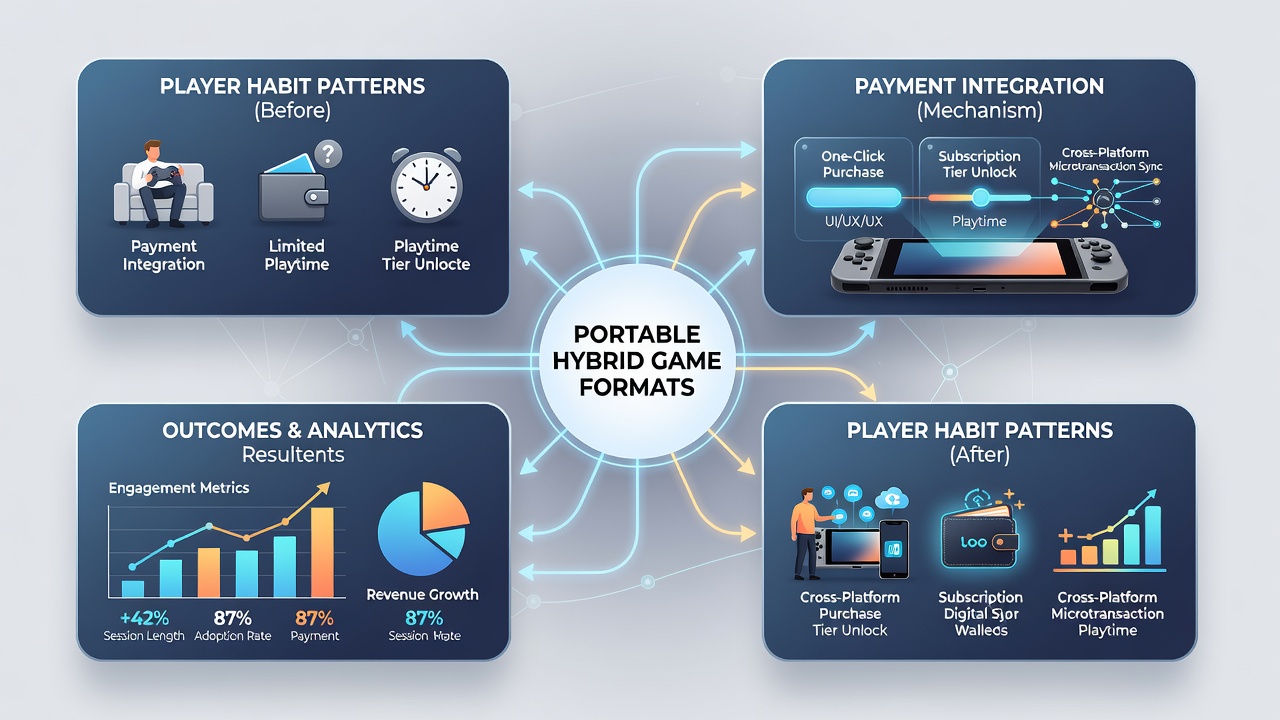
One case examined by researchers at the University of Nevada highlighted how real-time balance updates after each deposit encouraged immediate format switches. Participants in the study frequently moved from high-volatility reel segments to lower-volatility table simulations once additional funds appeared in the shared wallet. The findings align with broader industry metrics released by the European Gaming and Betting Association, which tracked comparable behavior shifts in markets where portable hybrid titles dominate mobile offerings.
Technical Elements Supporting Habit Shifts
Behind these patterns lie specific technical connections between payment processors and game servers. APIs that sync wallet balances across slot and live components allow players to maintain momentum when changing formats. Those who've examined backend logs note that reduced latency between payment confirmation and game resumption correlates with longer overall time spent in hybrid environments. This technical linkage appears especially relevant on devices with variable network conditions, where quick reconnections after deposits prevent session drop-off.
Security protocols also factor into sustained usage. Multi-factor authentication embedded at the payment layer, rather than at the game level, streamlines repeated deposits that support format exploration. Reports from operators indicate that players who encounter fewer authentication interruptions during format transitions tend to sample more game types within single mobile sessions. Such mechanics continue to evolve as regulatory frameworks in additional states finalize rules for portable hybrid offerings through 2026.
Conclusion
Payment integration within portable hybrid game formats continues to influence how users distribute their activity across different mechanics. Available data from regulatory bodies and industry associations documents increases in cross-format sessions and deposit frequency when wallet functions sit inside unified interfaces. As more jurisdictions refine mobile gaming standards, these patterns provide measurable indicators of evolving player behavior tied directly to transaction design. Continued monitoring through established research channels will clarify whether the observed shifts persist across broader market segments.