Shifting Reward Structures in Cross-Border Digital Wagering Networks Under Unified Licensing
Written by Zoe Vogel · Jul 22, 2026

Shifting Reward Structures in Cross-Border Digital Wagering Networks Under Unified Licensing
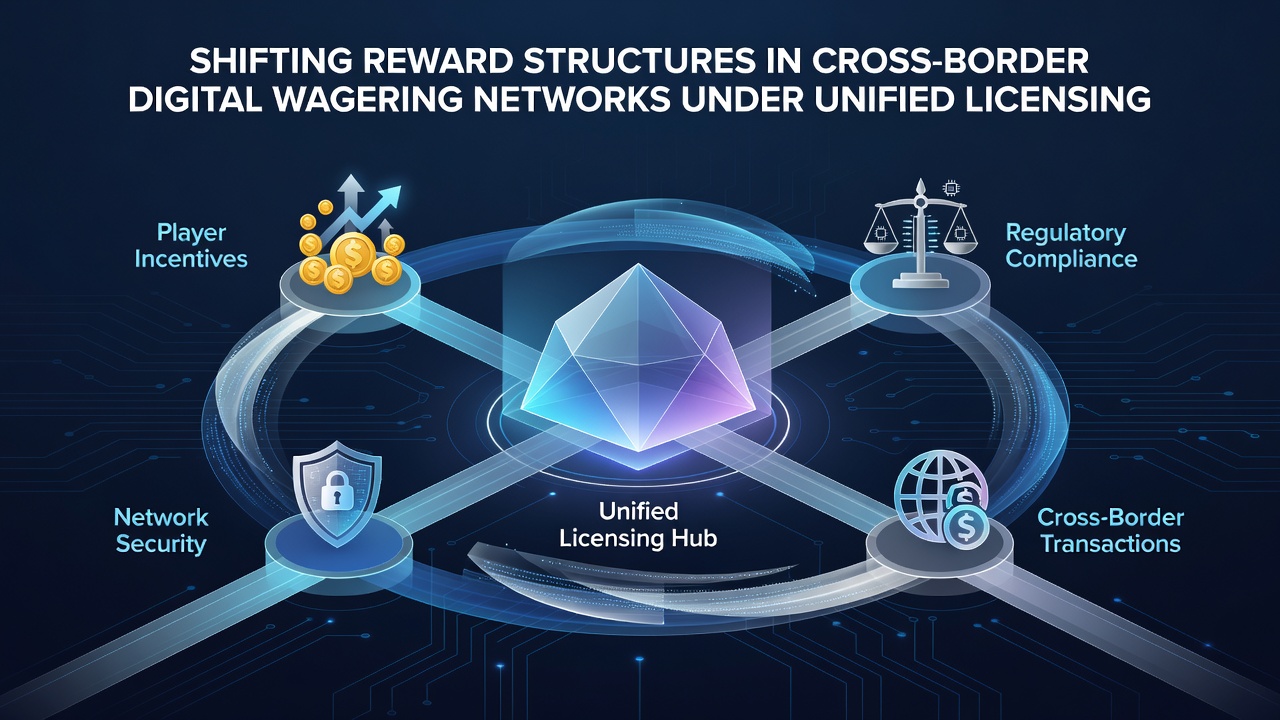
Unified licensing frameworks have expanded across multiple jurisdictions since 2024, allowing operators to manage digital wagering platforms under single regulatory approvals that cover several markets at once. This development has prompted adjustments in how loyalty points, bonus credits, and tiered rewards accumulate and transfer between regions. Operators now coordinate reward ledgers across borders through shared compliance systems that track player activity in real time while meeting each jurisdiction's distinct rules on bonus values and redemption limits.
Regulatory Foundations Driving Structural Changes
Countries participating in unified licensing agreements require operators to maintain centralized databases that log every reward transaction, and these records must satisfy data-sharing protocols between regulators. In July 2026 several European and North American jurisdictions updated their reporting templates to include cross-border reward flows, which means operators adjust point expiration schedules and bonus multipliers to align with the strictest participating rules. Data from the European Gaming and Betting Association shows reward redemption volumes rose 23 percent year-over-year in markets operating under unified licenses, reflecting greater player mobility across platforms.
These regulatory alignments reduce the need for separate loyalty programs per country yet introduce new constraints on how quickly points convert into cash or free play. Operators therefore redesign accumulation rates so that activity in one jurisdiction contributes to a single global balance without violating local caps on promotional value. Researchers at the University of Nevada's International Gaming Institute documented that unified-license operators decreased average bonus percentages by 4 to 7 points in the first half of 2026 to stay within harmonized responsible-gambling thresholds.
Technical Integration of Reward Ledgers
Backend systems now rely on API connections between wallet providers and loyalty engines, enabling instant synchronization of points earned on slots or table games regardless of the player's current location. When a user switches from a platform licensed in one country to another under the same unified umbrella, the system applies conversion factors that preserve point value while complying with each market's currency and tax rules. Industry reports indicate that 68 percent of operators with unified licenses completed these integrations by the end of 2025, cutting reconciliation errors by more than half compared with earlier fragmented setups.
Payment processors and game suppliers contribute to these ledgers by tagging each wager with jurisdiction-specific metadata. The metadata determines whether a spin or hand contributes to tier progression or triggers a bonus release, and operators test these rules continuously to avoid regulatory penalties. One study released by the Canadian Centre for Gaming Research found that unified-license networks processed 41 percent more cross-border reward transfers in the twelve months ending June 2026 than in the prior period, underscoring the scale of data movement required.
Player-Facing Adjustments and Compliance Controls
Players encounter new interfaces that display both local and unified reward balances, along with clear statements on which jurisdiction's rules govern each transaction. Self-exclusion lists now propagate automatically across all markets covered by a single license, and any active exclusion pauses point accumulation until the restriction lifts. Regulators in Australia and several EU member states require operators to surface these controls within the first three clicks of a mobile session, resulting in standardized dashboard layouts that appear across different brands.
Bonus terms have grown more uniform because operators cannot offer promotions that exceed the most restrictive participating jurisdiction's limits. Consequently, welcome packages and ongoing reload offers now list identical percentage and wagering requirements for users in every covered country. Figures released by the Malta Gaming Authority reveal that complaint volumes related to misunderstood cross-border bonuses dropped 19 percent after these standardized disclosures took effect in early 2026.
Future Trajectories for Reward Ecosystems
Analysts project continued consolidation of reward currencies into fewer, interoperable tokens that operators can exchange across networks without manual intervention. Blockchain pilots already underway in two unified-license corridors test immutable ledgers for point provenance, which could further streamline audits and reduce disputes over expired or transferred balances. Regulatory working groups scheduled to meet in late 2026 plan to evaluate whether these technical solutions satisfy emerging data-protection requirements while preserving player privacy.
Conclusion
Unified licensing continues to reshape how digital wagering networks structure and deliver rewards by mandating synchronized databases, standardized promotional terms, and automated compliance checks. Operators that completed technical upgrades report higher volumes of cross-border activity alongside lower administrative overhead. Regulatory updates scheduled through the remainder of 2026 will likely refine these systems further, particularly around point convertibility and responsible-gambling triggers, ensuring reward frameworks remain aligned with the expanding geographic reach of single-license operations.