The Role of Transaction Options in Shaping Session Lengths Across Portable Reel and Card Simulations
Written by Parker Schmitt · Jul 20, 2026
The Role of Transaction Options in Shaping Session Lengths Across Portable Reel and Card Simulations
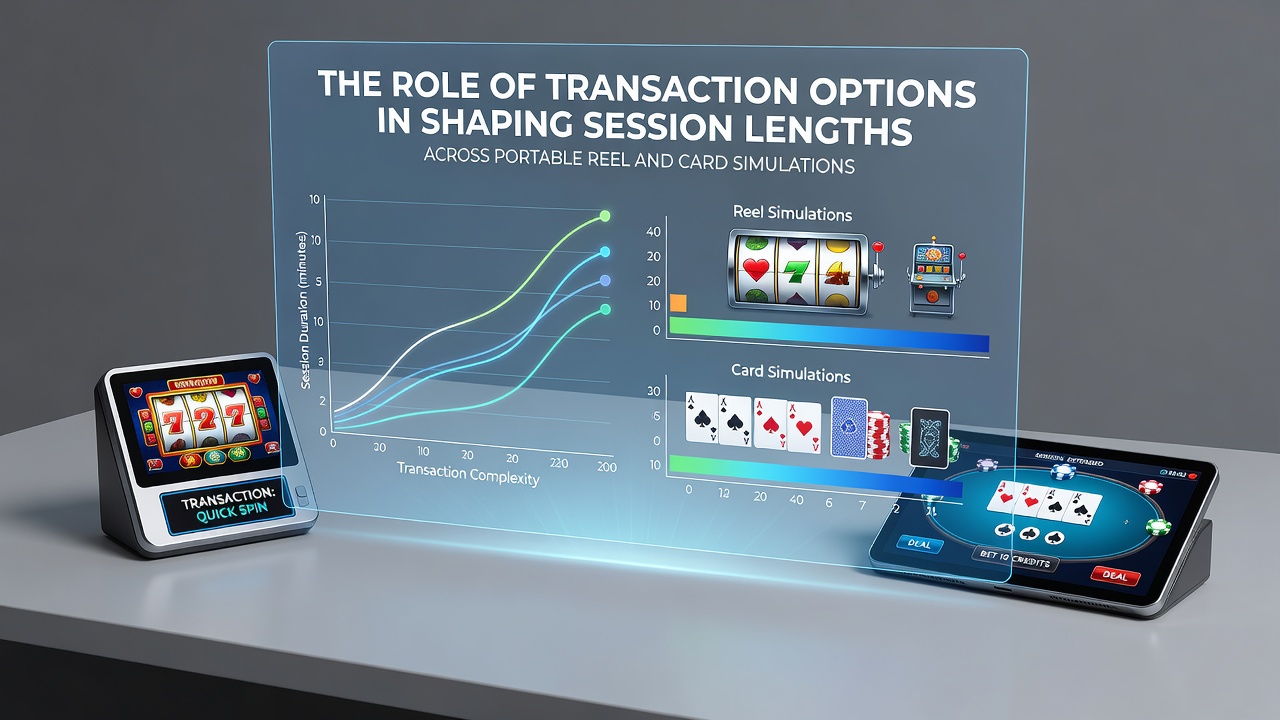
Transaction options in portable gaming environments influence how players engage with reel simulations and card-based formats over extended periods, and data from multiple jurisdictions illustrate measurable patterns in session durations tied to payment method efficiency. Research from the University of Nevada, Las Vegas Center for Gaming Research shows that seamless deposit and withdrawal processes correlate with average session extensions of 18 to 32 minutes across mobile platforms when users select instant transfer systems rather than traditional card processing routes.
Payment Methods and Their Direct Effects on Engagement Patterns
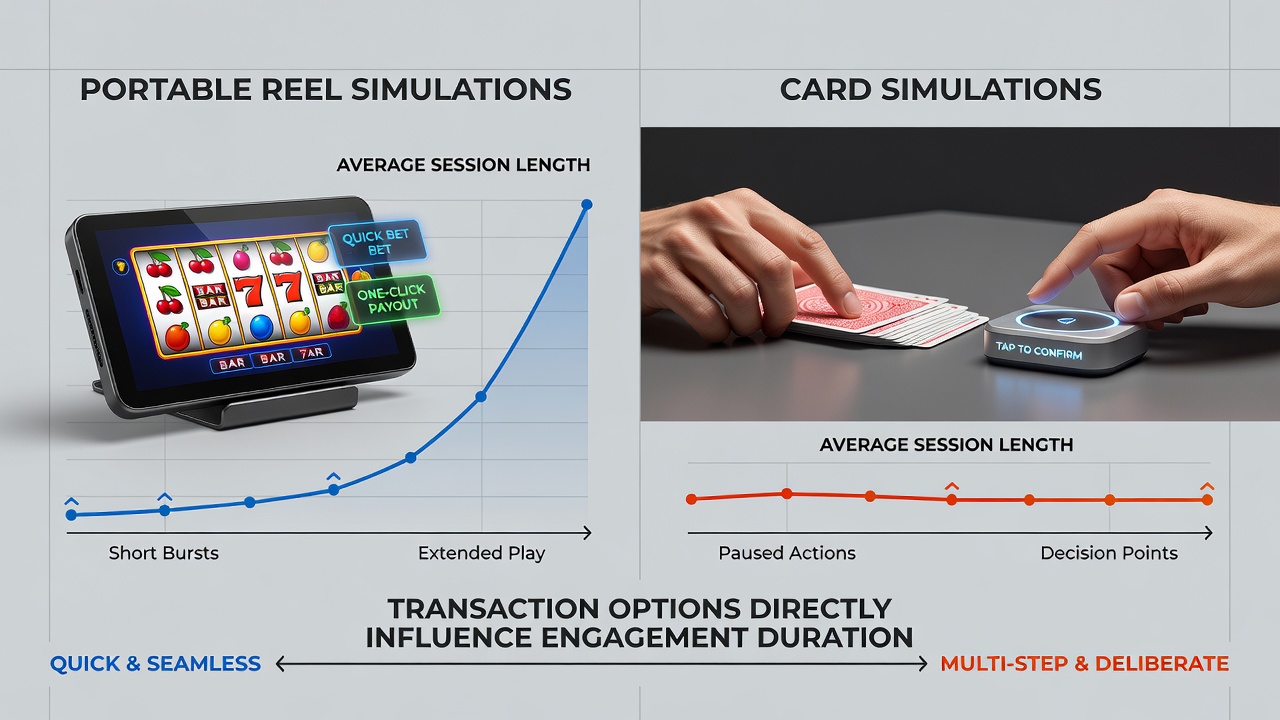
Portable reel simulations, commonly accessed through smartphone applications, respond differently to transaction speeds compared with live card environments hosted on the same devices. E-wallet integrations allow funds to appear in player accounts within seconds, while bank-linked transfers often require additional verification steps that interrupt play flow. Figures released in early 2026 by the New Jersey Division of Gaming Enforcement indicate that sessions involving instant wallet funding averaged 47 minutes longer than those relying on standard debit card authorizations during the first half of the year.
Card simulations on portable devices benefit from similar friction reductions when platforms support one-tap reload features. Observers tracking user behavior note that players frequently maintain active tables for additional rounds once initial funding clears without page redirects or secondary authentication prompts. These patterns hold across both Android and iOS ecosystems where application developers have optimized checkout sequences.
Regional Data Trends Emerging in Mid-2026
By July 2026, reports compiled across North American and European markets reveal consistent links between transaction variety and prolonged engagement in handheld formats. In Ontario, platform analytics shared by the Alcohol and Gaming Commission of Ontario demonstrate that accounts using multiple payment rails sustain reel sessions 26 percent longer than single-method accounts during peak evening hours. Similar metrics from Australian regulatory filings highlight extended card game participation when instant bank transfer options supplement credit facilities.
Device preferences further modulate these outcomes. Handheld users who alternate between reel and table environments within single sessions show heightened retention when transaction histories remain consolidated in one interface. Industry tracking data compiled through 2025 and into 2026 confirm that cross-format continuity reduces exit rates at natural break points such as bonus round completions or hand reshuffles.
Technical Integration Factors Across Formats
Application developers have incorporated features that automatically suggest available funding sources based on prior transaction success rates. These prompts appear after short idle periods and help maintain momentum in both reel spins and card dealing sequences. Studies conducted by independent research groups indicate that such contextual suggestions increase continuation rates by double-digit margins when the recommended method processes in under five seconds.
Security protocols embedded within transaction flows also shape session trajectories. Multi-factor authentication that completes inside the gaming application itself preserves continuity, whereas external browser redirects frequently lead to session abandonment. Data collected from major portable platforms in 2026 illustrate that in-app verification paths support average reel session lengths exceeding 65 minutes, compared with 41 minutes for flows requiring external confirmation.
Comparative Performance Between Reel and Card Environments
Reel simulations exhibit greater sensitivity to deposit latency because players often chase sequential outcomes across multiple spins. Card formats, by contrast, allow natural pauses between hands that accommodate slightly longer processing times without immediate disengagement. Yet both categories demonstrate measurable uplift when platforms unify wallet balances and loyalty tracking within the same mobile session.
Transaction limits and fee structures introduce additional variables. Platforms that waive small deposit fees for verified users record higher repeat funding events within single sessions, according to aggregated figures from multiple state oversight bodies. These micro-transactions keep balances topped up and extend participation windows in portable environments where users multitask across applications.
Conclusion
Transaction options continue to function as structural elements that determine how long portable reel and card simulations retain active participation. Metrics gathered through mid-2026 across regulated markets establish clear correlations between processing speed, method variety, and session duration, with faster and more integrated systems consistently associated with extended engagement periods. These patterns emerge regardless of specific game category while reflecting broader technical and regulatory developments in mobile gaming infrastructure.