Tracing Incentive Flows Through Secure Transfers in Portable Game Ecosystems
Written by Parker Müller · Jul 27, 2026
Tracing Incentive Flows Through Secure Transfers in Portable Game Ecosystems
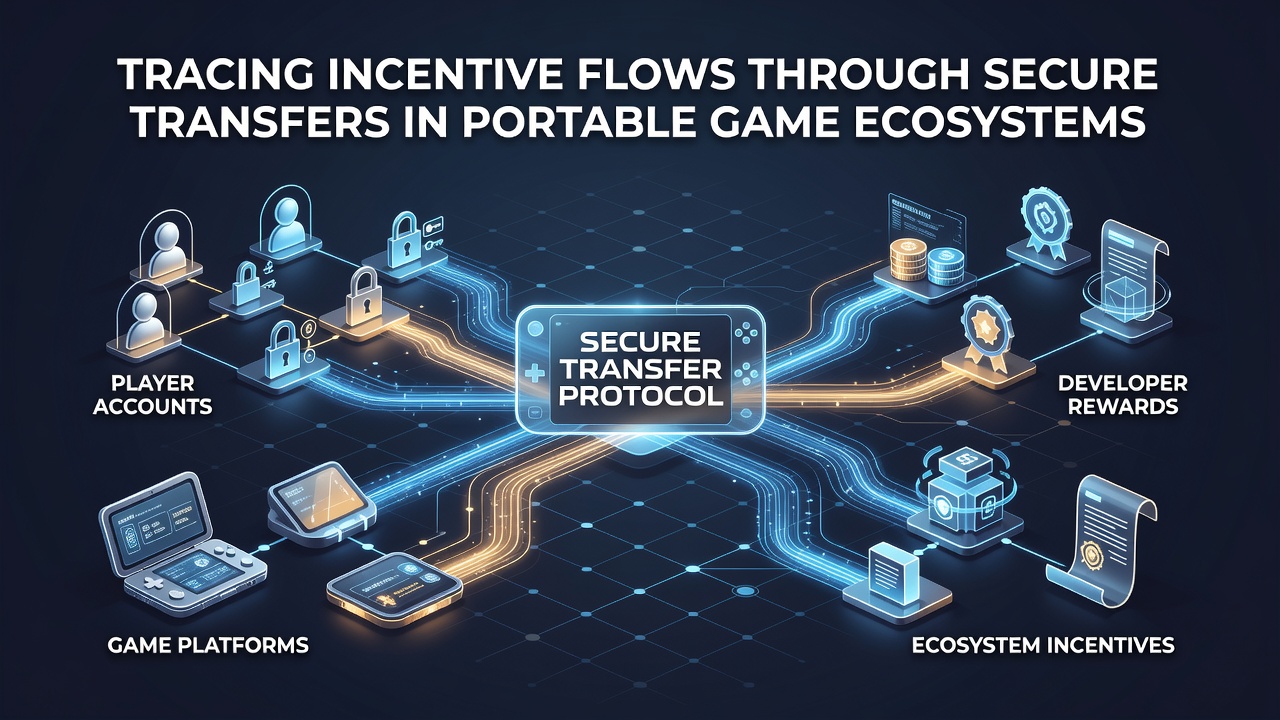
Portable game ecosystems rely on intricate networks where incentive flows move through encrypted channels that connect player accounts across smartphones and tablets, and these systems process loyalty points along with bonus credits using protocols designed to maintain security during every transfer step. Developers integrate application programming interfaces that track each movement from initial accumulation on a mobile slot to redemption in a live dealer session, while regulatory standards require audit trails that log timestamps and device identifiers without exposing personal data.
Core Mechanisms Behind Incentive Tracking
Secure transfers begin with tokenization methods that convert rewards into digital identifiers before any data leaves a device, and this approach prevents interception during wireless transmissions that occur over public networks or cellular connections. Mobile platforms employ end-to-end encryption standards that wrap each transaction in multiple layers, which allows operators to verify authenticity at every node along the path from a player's handheld unit to the central server farm. Data shows that these processes handle millions of daily movements in regions with mature mobile gaming markets, and figures from industry reports highlight how portable ecosystems now account for over sixty percent of total reward redemptions in certain jurisdictions.
Integration with Live Dealer and Machine Formats
Cross-format compatibility lets incentives earned on reel-based games transfer directly into table simulations hosted on the same device, yet the underlying security layers remain consistent regardless of game type. Operators use distributed ledger elements in select systems to create immutable records of each flow, and this method supports real-time reconciliation that reduces disputes over point balances. One study from academic researchers at a major European institution revealed patterns where players who switch between formats maintain higher retention rates when transfer speeds stay under three seconds, and similar observations appear in reports covering North American deployments.
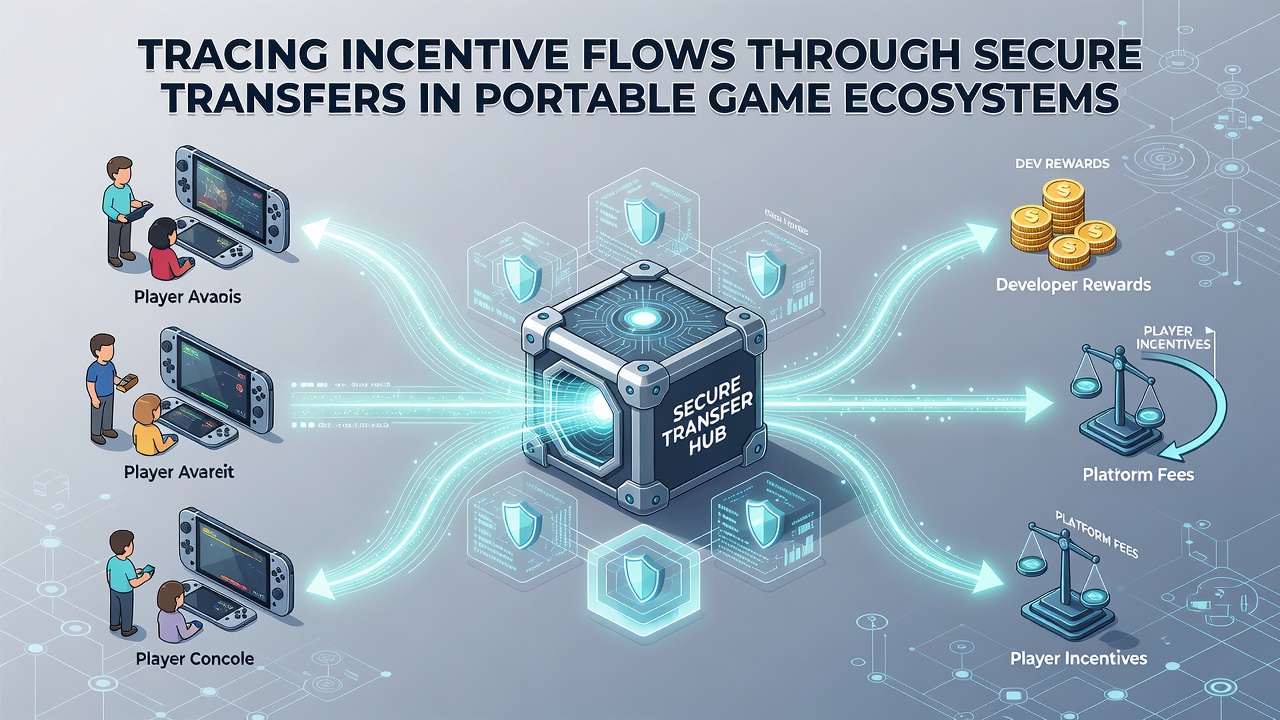
Regulatory updates scheduled for review in July 2026 emphasize enhanced verification steps for cross-border transfers, and these changes target ecosystems where players access services from multiple countries on a single portable device. Authorities in Australia and Canada have already piloted frameworks that require operators to demonstrate full traceability of every incentive unit, which includes source verification before any movement occurs between wallet modules and game servers.
Security Protocols and Data Integrity Measures
Encryption algorithms such as AES-256 combined with dynamic key rotation form the backbone of these transfers, and they operate alongside biometric authentication that ties each action to the specific user and hardware combination. Industry organizations including the European Gaming and Betting Association have published guidelines that detail minimum standards for portable systems, and these documents stress the importance of zero-knowledge proofs that confirm balances without revealing underlying player details. Observers note that platforms adopting these measures report fewer incidents of unauthorized access, while maintaining seamless user experiences across different operating systems and device models.
Regional Variations in Implementation
North American operators often layer additional compliance checks drawn from state-level gaming commissions, whereas Asian markets focus on high-volume batch processing that still preserves individual transaction logs. Research indicates that systems deployed in July 2026 updates incorporate machine learning models to flag anomalous flow patterns, and these tools analyze velocity alongside geographic signals to maintain integrity across global player bases. The Australian Gambling Research Centre has documented similar advancements in local ecosystems, and parallel findings from the New Jersey Division of Gaming Enforcement underscore the role of portable device fingerprinting in securing reward movements.
Future Directions for Traceable Ecosystems
Continued refinement of secure transfer methods includes greater adoption of quantum-resistant cryptography, and testing phases underway aim to prepare portable platforms for evolving computational threats. Data from multiple operators shows steady growth in cross-device incentive usage, with portable ecosystems driving the majority of new reward program enrollments during recent quarters. Those who manage these systems continue to prioritize auditability while supporting the fluid movement of value between game types and player locations.
Conclusion
Tracing incentive flows in portable game ecosystems depends on layered security architectures that combine encryption, tokenization, and regulatory-compliant logging to support reliable transfers across devices and formats. Evidence from operational data and institutional reports confirms that these mechanisms scale effectively while meeting standards set by diverse authorities around the world. As platforms evolve through 2026 and beyond, the emphasis remains on maintaining verifiable pathways that protect both operators and participants in mobile environments.