Tracing Links Between Regional Banking Rules and Tiered Reward Flows in Cross-Device Reel and Card Play
Written by Parker Schmitt · Aug 14, 2026
Tracing Links Between Regional Banking Rules and Tiered Reward Flows in Cross-Device Reel and Card Play
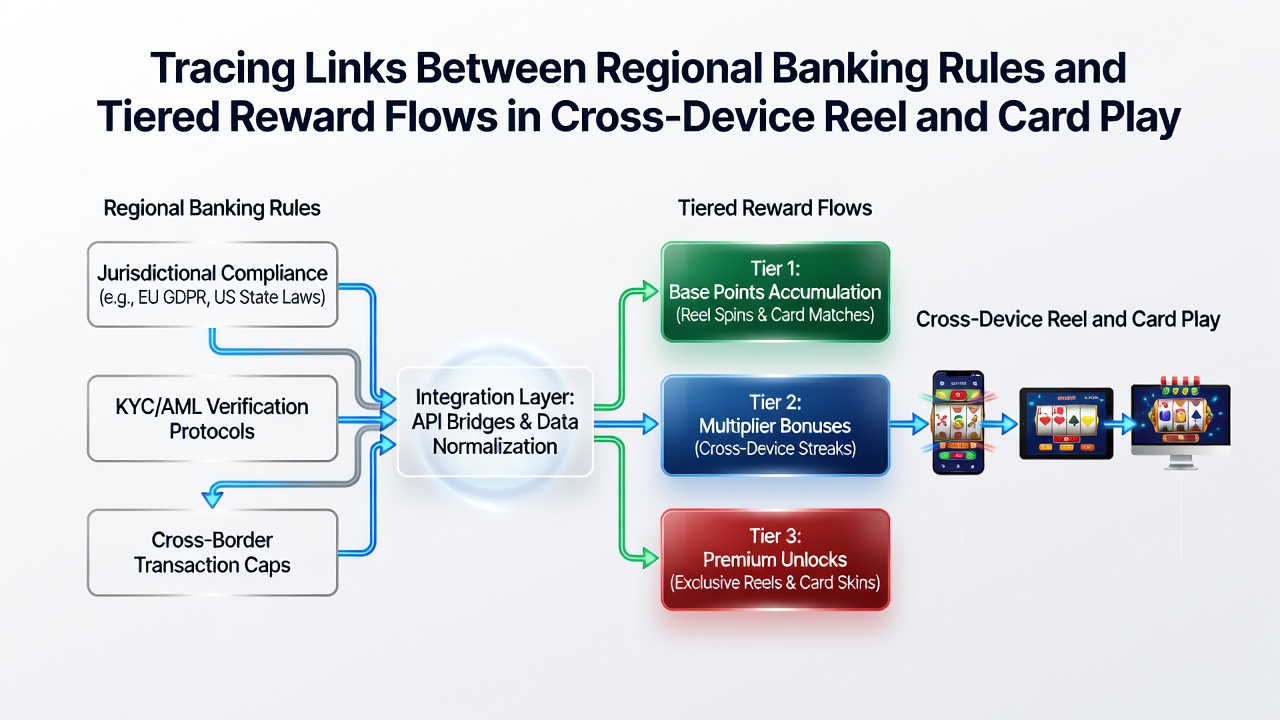
Regional banking rules shape how operators process payments and distribute tiered rewards in reel and card environments that span mobile phones, tablets, and desktop systems. Data from multiple jurisdictions shows that restrictions on transaction types, verification requirements, and cross-border transfers directly influence the speed and volume at which players accumulate points toward higher reward tiers.
Banking Frameworks Across Key Markets
Rules in the United States vary by state, wth Nevada and New Jersey maintaining distinct standards for electronic fund transfers that operators must follow when crediting loyalty accounts. In contrast, Canadian provinces such as Ontario apply centralized standards through iGaming Ontario that require real-time reporting of deposits before reward points can post to player profiles. European markets add another layer, where payment service directives limit certain card types and mandate source-of-funds checks that slow the flow of play into tiered bonus structures.
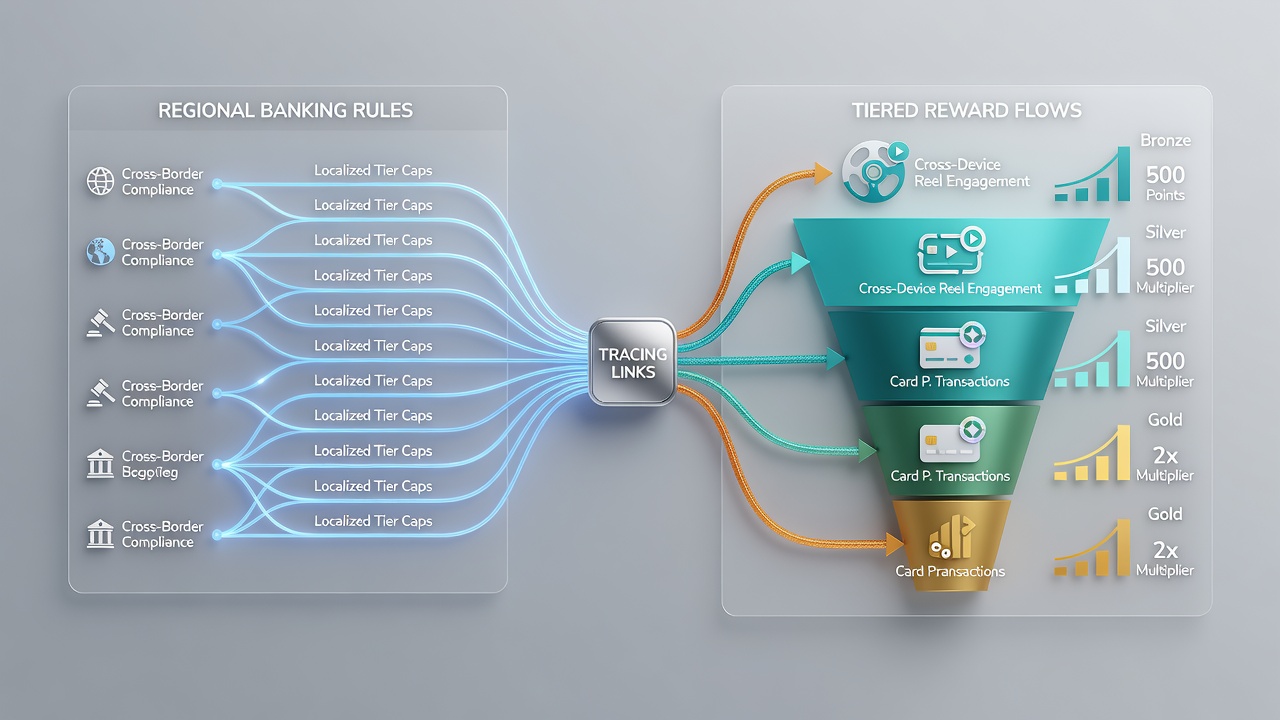
These frameworks create measurable differences in accumulation rates. Operators report that jurisdictions with streamlined banking approvals see faster progression through bronze, silver, and gold levels, while stricter regions experience bottlenecks that delay access to premium card-game tables and exclusive reel promotions.
Effects on Cross-Device Reward Pathways
Cross-device play introduces additional variables because banking rules often treat mobile wallets differently from desktop-linked accounts. Studies of player data indicate that mobile reel sessions in regulated markets accumulate points at a steadier pace when instant bank transfers are permitted, whereas card play on larger screens sometimes triggers extra verification steps that pause reward flows. Observers note that seamless device switching depends on whether regional rules allow unified player profiles to carry verified banking details across platforms.
One pattern emerges clearly in markets that updated electronic payment guidelines before August 2026: operators integrated tiered reward engines that automatically adjust point multipliers based on the banking channel used for each session. This adjustment helps maintain consistent progression whether a player switches from a phone-based slot machine to a tablet-hosted blackjack table.
Interactions Between Regulations and Loyalty Structures
Tiered reward systems rely on continuous play volume, yet banking restrictions can interrupt that volume when deposit limits or processing delays occur. Research from industry groups shows that players in regions with flexible banking options reach higher tiers more quickly because their deposits convert to playable funds and then to reward points without interruption. In tighter regulatory zones, the same play volume produces slower tier advancement because each transaction requires additional compliance checks before rewards activate.
Card play environments feel these effects more acutely than reel sessions because table game wagers often involve larger individual amounts that trigger heightened scrutiny under regional anti-money laundering rules. Reel-based machines, by comparison, generate smaller incremental wagers that clear banking hurdles faster and feed into loyalty structures at a more regular interval.
Device-Specific Accumulation Patterns
Device choice interacts with banking rules in ways that alter reward trajectories. Mobile sessions conducted through approved e-wallets tend to post points to tier accounts within minutes, while desktop card play routed through traditional bank transfers may experience holds that postpone tier benefits. Figures from platform analytics reveal that operators who align their reward engines with local banking calendars reduce player drop-off during verification windows.
August 2026 brought new reporting requirements in several U.S. states that further tied banking transaction logs to reward eligibility. Platforms responded by embedding compliance checks directly into the cross-device interface, allowing points from both reel and card activity to flow into unified tier profiles once banking verification clears.
Future Adjustments in Reward Distribution
Operators continue to refine how regional banking rules map onto tiered reward flows. Adjustments include dynamic point multipliers that compensate for slower banking channels and unified dashboards that display projected tier progress across devices. Industry reports from groups such as the American Gaming Association document these adaptations and their measurable impact on player retention metrics.
The connections between banking oversight and reward mechanics remain dynamic as regulators and operators refine processes to accommodate evolving payment technologies while preserving the integrity of tier structures in reel and card environments.
Conclusion
Regional banking rules exert direct influence over the pace and consistency of tiered reward accumulation in cross-device reel and card play. Markets with streamlined payment pathways enable faster progression through loyalty levels, while stricter frameworks introduce delays that affect both mobile and desktop sessions. Continued alignment between compliance requirements and reward engines supports stable accumulation patterns across formats and devices.