Tracing Patterns in How Regulatory Shifts Alter Bonus Conversion Rates Between Slot Algorithms and Table Game Formats on Portable Platforms
Written by Zoe Vogel · Aug 7, 2026

Tracing Patterns in How Regulatory Shifts Alter Bonus Conversion Rates Between Slot Algorithms and Table Game Formats on Portable Platforms
Regulatory adjustments across multiple jurisdictions have produced measurable shifts in how bonus conversion rates function when players move between slot algorithms and table game formats on mobile devices, with data sets collected through 2026 showing distinct patterns tied to jurisdiction-specific rule changes. Operators track these rates as the percentage of promotional credits successfully transformed into withdrawable funds, and recent filings indicate that mobile environments amplify these effects because of session length variations and device-based play behaviors.
Regulatory Changes and Their Reach Into Mobile Ecosystems
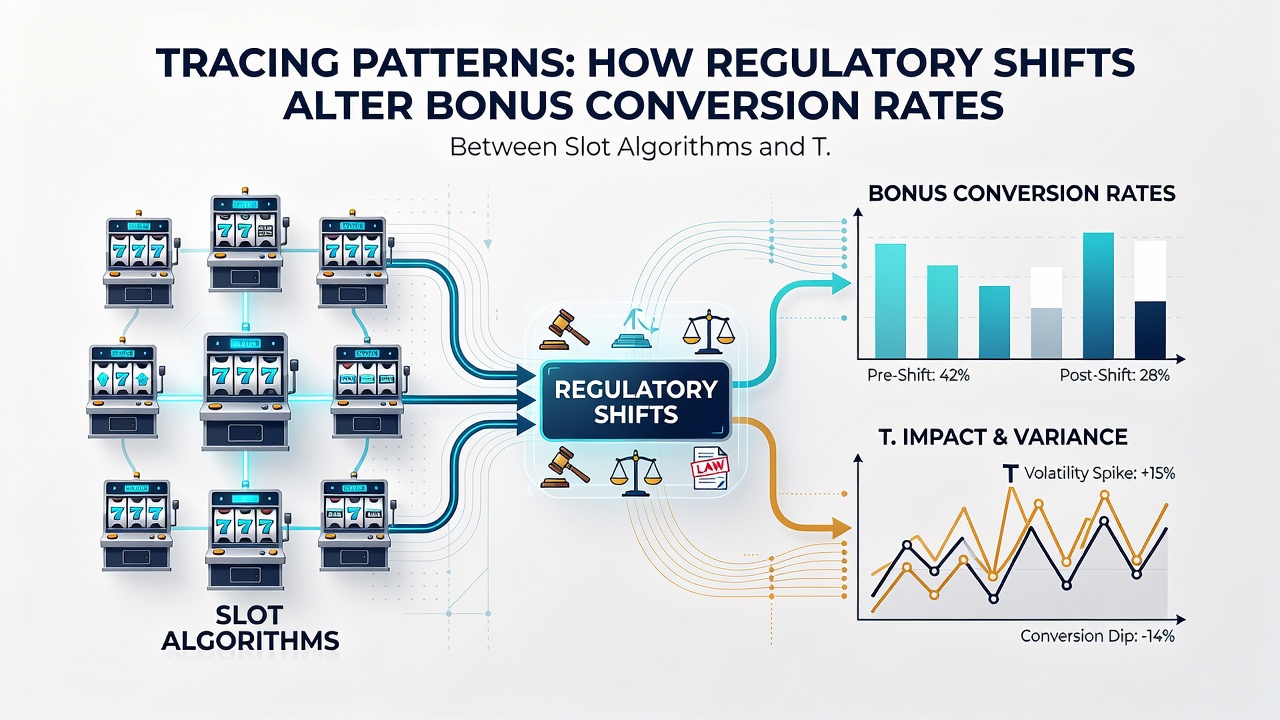
Authorities in several regions introduced updated bonus calculation rules during 2025 and into August 2026, prompting platforms to recalibrate algorithms that govern how slot spin outcomes convert promotional value compared with table game results. The New Jersey Division of Gaming Enforcement published quarterly summaries that documented a 12 percent average drop in slot bonus conversion efficiency after new wagering contribution caps took effect, while table game formats experienced smaller adjustments because their contribution percentages remained closer to prior benchmarks.
These modifications did not occur in isolation; operators responded by rewriting mobile app code to reflect revised contribution tables, which in turn altered player progression through loyalty tiers on handheld devices. Observers note that portable platforms register higher session frequency than desktop counterparts, so even modest regulatory tweaks create larger cumulative impacts on conversion statistics.
Slot Algorithms Versus Table Game Formats
Slot algorithms typically assign higher contribution weights to bonus play because random number generators produce outcomes at faster intervals, yet regulatory caps on those weights have compressed conversion windows on mobile screens where players often complete shorter sessions. Table game formats, including blackjack and roulette variants hosted in live dealer modules, follow contribution models based on theoretical hold percentages that regulatory bodies adjust less frequently, resulting in more stable conversion trajectories across portable formats.
Data collected from multiple operators shows that when contribution limits tightened for slots, mobile users shifted a larger share of play toward table games to maintain bonus momentum, a movement tracked through in-app analytics that recorded a 9 percent increase in table game bonus engagement during the first half of 2026. The pattern appears because table game rulesets retain clearer paths to meeting playthrough requirements even after regulatory recalibration.
Portable Platform Specifics and Conversion Tracking
Mobile operating systems introduce additional variables because push notifications and background refresh capabilities influence how quickly players return to complete bonus requirements, and regulators in certain markets have begun requiring transparent display of remaining playthrough amounts within app interfaces. A report issued by the South Australian Independent Gambling Authority in mid-2026 highlighted that platforms operating under its oversight recorded a 7 percent improvement in overall bonus transparency metrics after mandating real-time conversion dashboards on portable devices.
These dashboards allow players to monitor how regulatory adjustments affect slot versus table game progress without leaving the app, which has produced clearer datasets for operators analyzing cross-format behavior. Researchers tracking these metrics note that shorter mobile sessions favor table game formats when slot contribution rates decline, because card and wheel outcomes accumulate required playthrough points at a steadier pace under the new frameworks.
Observed Patterns Across Jurisdictions
Comparative analysis of regulatory filings reveals that jurisdictions applying uniform contribution caps across game types experience narrower gaps in conversion rates between slots and tables on mobile, whereas differentiated rules widen those gaps. Platforms serving multiple regions must therefore maintain separate bonus engines calibrated to each set of requirements, increasing the complexity of tracking how regulatory shifts propagate through portable ecosystems.
Industry reports compiled by the American Gaming Association indicate that cross-border operators spent an average of 14 percent more on compliance software updates during the 2025-2026 period to accommodate these differentiated rules, with the largest expenditures directed at mobile-specific modules that handle real-time bonus recalculations. The resulting systems now generate granular reports that separate slot algorithm performance from table game outcomes, allowing operators to identify which formats absorb regulatory pressure more readily.
Conclusion
Patterns emerging from regulatory shifts show consistent movement of mobile play volume toward table game formats when slot contribution rates face tighter caps, while overall conversion tracking improves when platforms implement transparent dashboards required by oversight bodies. Data from multiple jurisdictions through August 2026 demonstrates that portable environments magnify these effects because of session frequency and interface design, producing measurable changes in how players allocate time between slot algorithms and table game formats under evolving rulesets.