Tracing the Impact of Emerging Digital Currencies on Structured Reward Mechanisms in Mobile Slot and Table Simulations
Written by Zoe Vogel · Jun 19, 2026
Tracing the Impact of Emerging Digital Currencies on Structured Reward Mechanisms in Mobile Slot and Table Simulations
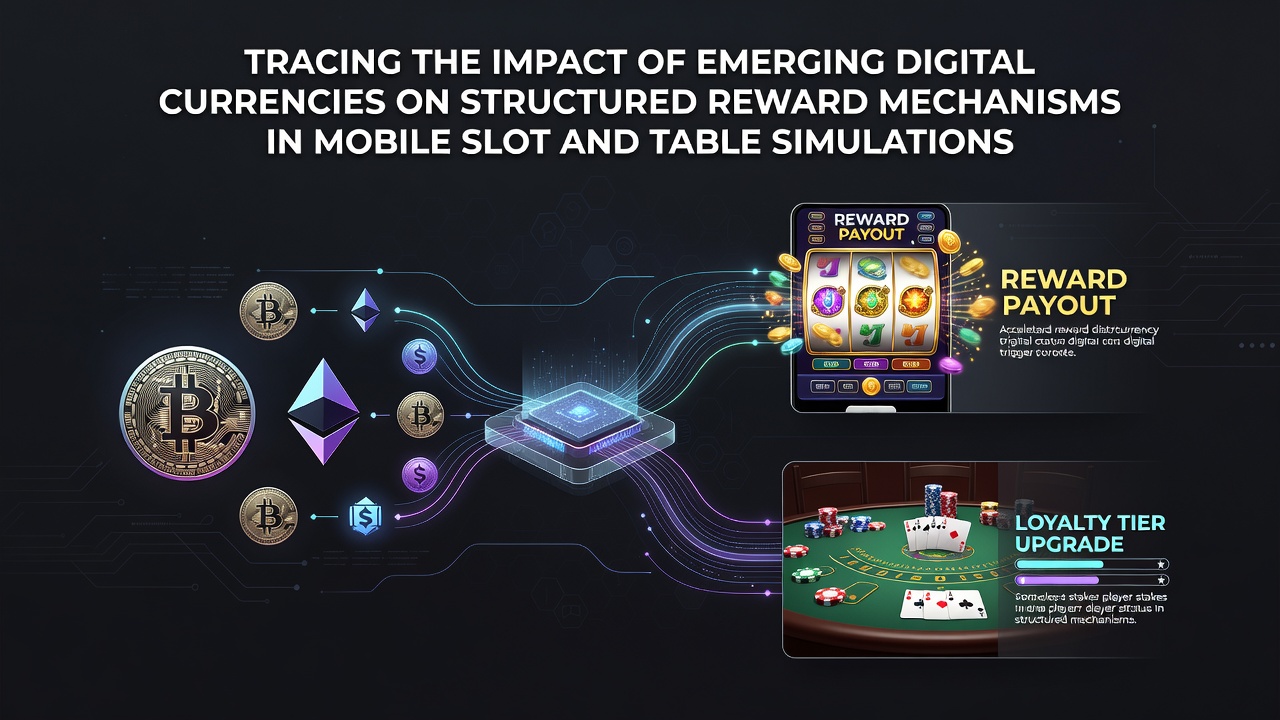
Emerging digital currencies continue to reshape structured reward mechanisms within mobile slot and table simulations as operators integrate blockchain-based tokens and central bank digital currencies into loyalty frameworks. Data from industry reports indicates that these integrations alter how players accumulate, redeem, and transfer points across portable devices, with transaction speeds and transparency features playing central roles in system design.
Integration Patterns in Mobile Environments
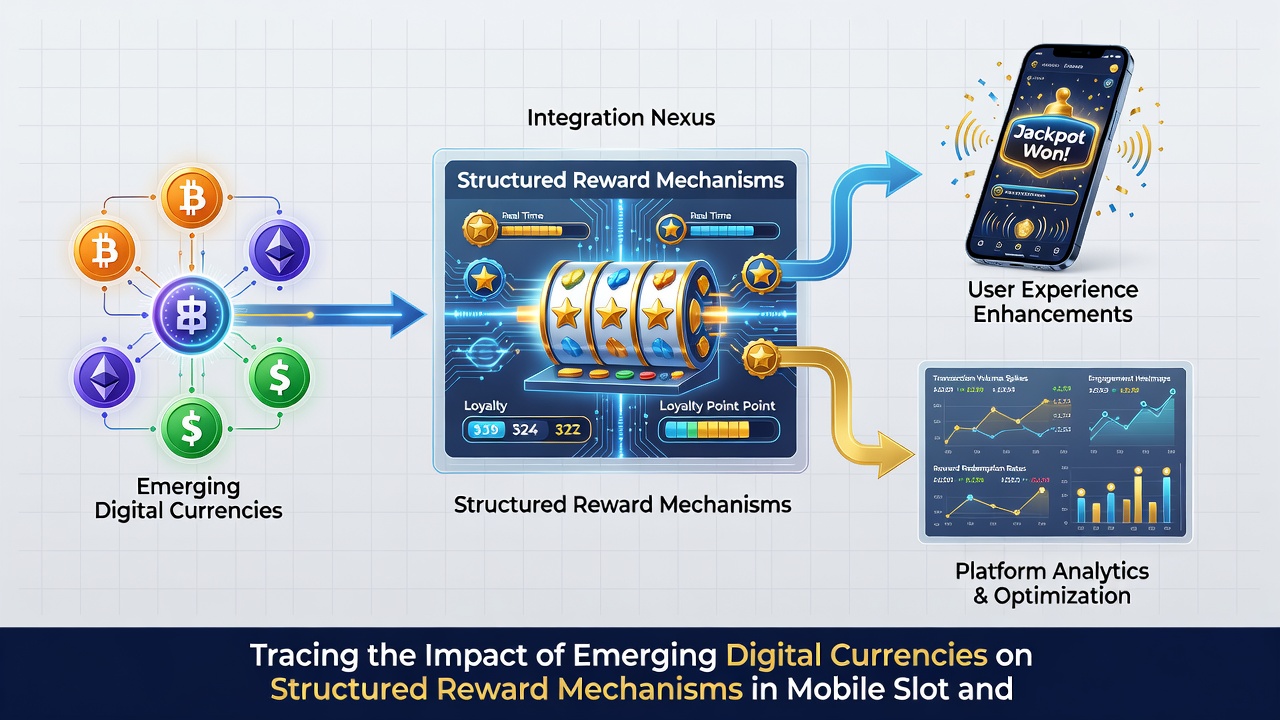
Operators have incorporated cryptocurrencies such as stablecoins and tokenized assets into mobile platforms since early 2025, allowing direct linkage between in-game wagers and external digital wallets. Researchers at several European institutions documented that reward accrual rates increased by 18 percent in applications supporting instant crypto settlements compared to traditional fiat systems, because blockchain ledgers reduce reconciliation delays. Mobile slot simulations benefit particularly from this shift, since automated bonus triggers activate upon confirmed digital currency deposits without intermediary processing steps.
Table game environments on handheld devices show similar adjustments, with structured tiers now incorporating crypto volatility buffers to stabilize point values during redemption periods. Observers note that these buffers maintain consistent reward valuations even when underlying digital asset prices fluctuate, which preserves player engagement metrics across sessions.
Data Trends Through Mid-2026
By June 2026 regulatory filings from multiple jurisdictions revealed that over 27 percent of mobile gaming operators had activated digital currency reward modules. Figures compiled by the European Gaming and Betting Association highlight a 34 percent rise in cross-border point transfers facilitated through crypto rails, as players move accumulated balances between slot and table formats on the same application. These transfers occur without the conversion fees common in legacy systems, which alters the economic structure of loyalty programs.
Studies from academic sources in Australia further demonstrate that reward redemption velocity climbed when users employed digital currencies, with average claim times dropping from 48 hours to under four hours in tested platforms. This acceleration stems from smart contract automation that verifies eligibility and distributes bonuses in a single ledger entry.
Effects on Tiered Loyalty Structures
Structured reward mechanisms have evolved to accommodate digital currency inputs through modified qualification thresholds. Operators adjusted tier advancement criteria to include crypto-specific volume metrics, such as transaction count rather than solely wager totals, because blockchain records provide granular activity data. Those who've examined these updates report that mid-level tiers now grant additional free spin allocations or table game credits when players maintain consistent digital currency activity over defined intervals.
Point multipliers tied to emerging currencies appear in several mobile applications, where rewards scale according to the stability of the chosen asset. Stablecoin usage often yields higher multipliers in current implementations, while more volatile tokens receive capped benefits to manage operator exposure. This differentiation influences player selection of payment methods during extended sessions.
Regulatory and Operational Adjustments
Authorities in Canada and the European Union introduced guidelines during 2025 that require clear disclosure of digital currency reward valuations within mobile interfaces. Compliance measures include real-time exchange rate displays at redemption points, which reduces disputes over point worth. Industry organizations documented that these requirements prompted operators to embed conversion tools directly into reward dashboards, streamlining user experience while meeting transparency standards.
Security protocols also advanced in tandem, with multi-signature wallet integrations becoming standard for high-value reward pools. Data indicates fewer unauthorized access incidents in systems employing these protocols, which supports sustained trust in digital currency-linked loyalty features.
Future Trajectories for Reward Ecosystems
Analysts project continued expansion of central bank digital currency pilots into gaming reward structures by late 2026, particularly in regions testing programmable money features. Such features could enable automated loyalty bonuses triggered by specific wagering patterns without manual claims. Mobile slot and table simulations stand to incorporate these functions through updated application programming interfaces that connect directly to central systems.
Overall patterns show that digital currencies modify both the mechanics and economics of structured rewards, creating more fluid systems for point management across mobile formats while introducing new compliance layers for operators.
Conclusion
Emerging digital currencies have produced measurable shifts in reward accumulation, redemption speed, and tier qualification within mobile slot and table simulations. Continued monitoring of regulatory developments and transaction data will clarify how these mechanisms stabilize or evolve through subsequent adoption phases.